

Why Is Your Chemical Injection Quill Not Distributing Chemicals Properly?
If your chemical dosing system is consuming more raw materials than expected, or if you are noticing unexpected pipe corrosion, uneven product quality, or frequent downtime, the solution might be simpler than you think. Often, the hidden root cause behind these costly industrial issues is a failing or improperly selected Chemical Injection Quill.
In modern manufacturing, wastewater treatment, oil and gas, pharmaceutical, and chemical processing plants across India, precise chemical dosing is critical. A Chemical Injection Quill is a small yet crucial component designed to feed liquid chemicals directly into the center of a pipeline’s fluid stream. When functioning correctly, it ensures rapid, uniform mixing and protects your pipe walls from corrosive damage.
However, when chemical distribution goes wrong, plant operators are left guessing. In this complete guide, we will break down why your Injection Quill is not distributing chemicals properly, how to fix it, and why partnering with an established Chemical Injection Quill Manufacturer like Dosimix Technologies makes all the difference for your plant’s performance.
What Is a Chemical Injection Quill and Why Is It So Important?
Before diving into the reasons for poor performance, let us understand what a Chemical Injection Quill actually does in simple terms.
When you inject a concentrated chemical into a flowing pipeline using a simple standard nozzle on the pipe wall, the chemical tends to cling to the inner wall of the pipe. This causes two major problems:
- Severe Wall Corrosion: Concentrated chemicals erode and damage the pipe material before mixing can happen.
- Poor Chemical Dispersion: The chemical does not mix evenly with the bulk fluid, leading to wasted chemicals and incomplete treatment.
An Injection Quill solves this problem by extending the injection point deep into the center third of the pipeline—where fluid velocity and turbulence are at their highest. This enables quick dispersion, complete homogenization, and maximum efficiency.
When your chemical dosing system fails to deliver expected results, it usually means the chemical is not reaching that optimal central flow zone or is not atomizing effectively.
6 Major Reasons Your Chemical Injection Quill Is Failing
Understanding why your chemical distribution is failing will help you take immediate corrective action. Here are the most common practical reasons experienced by Indian process plants today:
1. Incorrect Insertion Depth
The fundamental purpose of a Chemical Injection Quill is to deliver chemicals directly into the middle section of the pipe flow. If your quill is too short, the chemical is released near the pipe wall, leading to severe pipe erosion and wasted chemical dosing. If it is too long, the quill can suffer from structural stress caused by fluid drag forces.
Many non-standard suppliers provide off-the-shelf quills that do not match your exact pipe diameter. At Dosimix Technologies, every Chemical Injection Quill is tailored to match specific pipeline dimensions, ensuring perfect central positioning every time.
2. Clogging, Scaling, and Chemical Fouling
In industries dealing with hard water, polymer dosing, slurry treatment, or crystallization processes, chemical deposits can quickly build up around the injection tip. Over time, this scaling restricts fluid passage, changes the injection spray pattern, or completely blocks chemical flow.
If your system lacks an integrated backflow prevention mechanism or check valve, line fluid can back up into the chemical feed tube during shutdown, causing chemicals to react and harden inside the quill itself.
3. Wrong Material Selection for Corrosive Chemicals
Chemical compatibility is one of the biggest reasons for quill failure. Injecting strong acids, alkalis, or aggressive solvents through an unsuitable material can lead to rapid corrosion, tip erosion, or mechanical cracking.
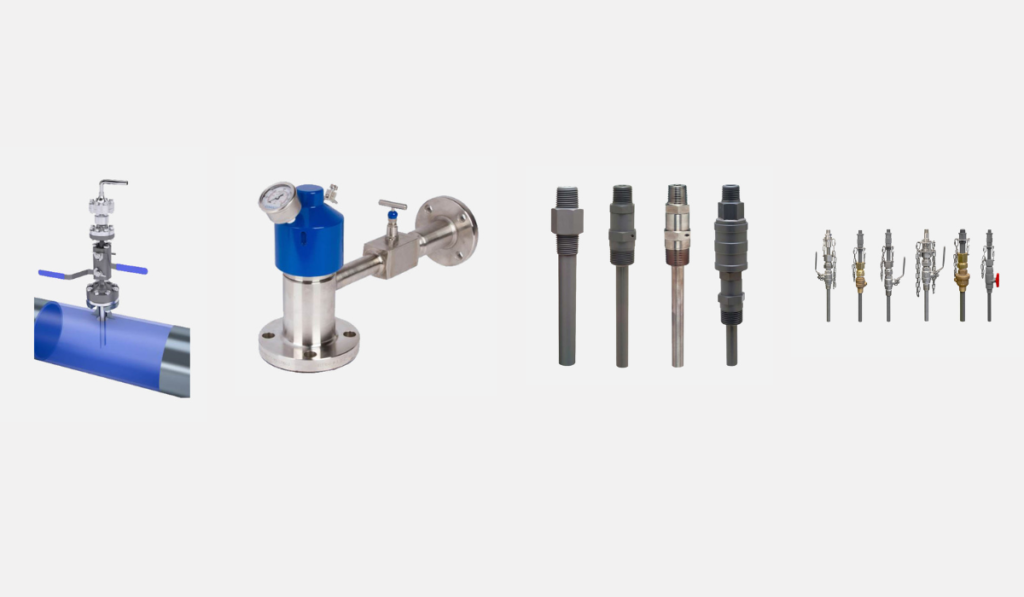
A damaged quill tip can lose its engineered shape, causing chemicals to trickle down the side of the pipe rather than dispersing into the core stream. Choosing a specialized Chemical Injection Quill Manufacturer like Dosimix Technologies ensures you get the exact chemical-resistant material—whether High-Grade Stainless Steel, Hastelloy, Titanium, PTFE, or PVC—tailored to your process medium.
4. Low Injection Pressure and Mismatched Flow Rates
For proper chemical dispersion, the injection pressure of the chemical feed must be higher than the process pipeline pressure. If the chemical dosing pump pressure drops or is incorrectly calculated, the chemical will simply ooze out of the quill tip instead of forming a dynamic stream or spray.
This leads to chemical pooling, poor mixing efficiency, and high chemical waste. Correct pressure balancing and precise orifice sizing are vital to maintaining continuous mixing performance.
5. Lack of Secondary In-Line Mixing
In high-viscosity or low-velocity pipeline applications, an Injection Quill alone might not be enough to achieve 100% complete dispersion over short distances. If your process requires instant chemical reaction—such as in pH neutralization, coagulation, or fluid blending—you need adequate turbulence downstream.
Pairing your Injection Quill with high-efficiency mixing systems from Dosimix Technologies, such as customized industrial agitators or static mixers, creates the ultimate inline mixing environment for rapid, homogenous chemical distribution.
6. Subpar Quality and Faulty Design from Unreliable Suppliers
Many industrial buyers purchase low-cost, generic quills from non-specialized vendors. These off-the-shelf components often lack essential features like properly bevelled tips, integrated check valves, robust core construction, or accurate pressure ratings.
Without precision engineering, generic quills bend under high fluid velocity, leak at connections, or fail prematurely, resulting in unexpected plant shutdowns.
The Hidden Business Costs of Poor Chemical Distribution
When your Chemical Injection Quill underperforms, the financial impact extends far beyond the cost of replacing the part itself. Industrial buyers and plant managers face several hidden operational expenses:
- Excessive Chemical Expenses: When chemicals do not mix efficiently, operators often over-dose to achieve desired results, wasting thousands of rupees every single day.
- Pipeline Corrosion & Repair Expenses: Unmixed chemicals lingering near pipe walls eat through metal, causing leaks, safety hazards, and expensive piping replacements.
- Product Quality Inconsistency: In manufacturing, pharmaceutical, and beverage industries, poor chemical blending directly leads to batch rejections and customer complaints.
- Unplanned Plant Downtime: Stopping production to unclog or replace cheap, failed quills ruins operational schedules and reduces overall profitability.
How Dosimix Technologies Solves Your Chemical Dosing Challenges
To eliminate chemical distribution issues once and for all, industrial plants across India trust Dosimix Technologies. Recognized as a leading Chemical Injection Quill Manufacturer and a top choice for industrial fluid handling solutions, Dosimix Technologies combines practical engineering expertise with premium product quality.
Here is why process engineers and procurement heads prefer Dosimix Technologies:
1. Custom-Engineered Design
At Dosimix Technologies, we understand that no two manufacturing lines are identical. We design every Chemical Injection Quill according to your precise pipeline diameter, pressure rating, chemical viscosity, and flow velocity, ensuring maximum dispersion efficiency.
2. Premium Materials and Corrosion Resistance
Dosimix Technologies manufactures injection quills using a wide range of corrosion-resistant materials, ensuring long service life even in the most demanding chemical environments.
3. Integrated Safety Features
Our quills feature built-in high-performance check valves and backflow preventers to stop process fluids from entering your dosing lines during power outages or maintenance shut-offs, keeping your equipment safe and clean.
4. Complete Fluid Handling Expertise
As the best choice for industrial agitator manufacturing and fluid mixing solutions in India, Dosimix Technologies offers complete end-to-end support. Whether you need custom agitators, complete dosing skids, or specialized Injection Quill assemblies, Dosimix Technologies delivers reliable, heavy-duty equipment built to last.
Easy Maintenance Tips to Keep Your Injection Quill Working Perfectly
To get the best service life out of your Chemical Injection Quill, follow these straightforward operational tips:
- Schedule Regular Visual Inspections: Check external fittings and pressure gauges routinely for signs of leaks or abnormal pressure drops.
- Perform Tip Cleaning Routinely: Flush the injection tip periodically to remove scale, debris, or chemical buildup before total blockage occurs.
- Verify Dosing Pump Settings: Always make sure your chemical dosing pump maintains sufficient pressure higher than the main line pressure.
- Partner with Experts for Replacements: Never replace a failed quill with a random local fitting. Always source your replacement from a trusted Chemical Injection Quill Manufacturer like Dosimix Technologies to guarantee exact sizing and performance.
Upgrade Your Chemical Dosing System with Dosimix Technologies
If your plant is dealing with uneven chemical mixing, unexpected chemical waste, or frequent line maintenance, it is time to upgrade your chemical dosing equipment. A high-quality Chemical Injection Quill from Dosimix Technologies will protect your piping infrastructure, optimize raw material usage, and ensure consistent batch quality every single day.
Don’t let a small component cause big losses in your production line. Connect with the industry experts at Dosimix Technologies today to discuss your chemical dosing requirements and get custom-engineered solutions designed specifically for your plant!
FAQs
A Chemical Injection Quill is a component used to inject liquid chemicals into the center of a pipeline’s flowing fluid stream. It helps improve chemical dispersion, reduce wall corrosion, and achieve more uniform mixing.
Poor chemical distribution can result from incorrect insertion depth, clogging or scaling, unsuitable material selection, low injection pressure, mismatched flow rates, insufficient downstream mixing, or poor quill design.
An Injection Quill extends the injection point toward the central flow zone of the pipeline, where fluid velocity and turbulence can help disperse the chemical more effectively. This reduces the tendency of concentrated chemicals to remain near the pipe wall.
If the quill is too short, the chemical may be released close to the pipe wall, increasing the risk of poor dispersion and localized corrosion. If it is too long, fluid drag can place additional mechanical stress on the quill.
Chemical Injection Quills can become clogged because of scaling, deposits, debris, polymer buildup, crystallization, or chemical fouling around the injection tip. These deposits can restrict chemical flow and alter the injection pattern.
If chemical injection pressure is not sufficiently above the process pipeline pressure, the chemical may not enter the process stream effectively. Instead of forming a dynamic injection stream, it may simply ooze from the quill tip, resulting in poor mixing and chemical waste.
The quill material must be compatible with the chemical being injected. Strong acids, alkalis, and aggressive solvents can cause corrosion, erosion, or cracking when an unsuitable material is used.
It can work in many applications, but an Injection Quill alone may not provide sufficient dispersion in high-viscosity or low-velocity processes. Where rapid and uniform mixing is required, additional downstream mixing may be necessary.
A suitable check valve or backflow prevention arrangement can help prevent process fluid from entering the chemical feed line during shutdowns or interruptions. This can also reduce the risk of chemical reaction and hardening inside the quill.
Regularly inspect fittings for leaks, clean the injection tip to remove deposits, check dosing pump pressure, and replace damaged quills with correctly sized components. Routine inspection and cleaning can help prevent blockage and inconsistent chemical distribution.
Common signs include uneven chemical distribution, increased chemical consumption, pipe corrosion near the injection point, chemical buildup or clogging, leakage, inconsistent process results, and unexpected maintenance or downtime.
When chemical dispersion is poor, the process may not receive the required treatment uniformly. Operators may compensate by increasing chemical dosing, which can increase raw-material consumption and operating costs.