

What Causes Poor Chemical Mixing in Water Treatment Plants, and How Can You Solve It?
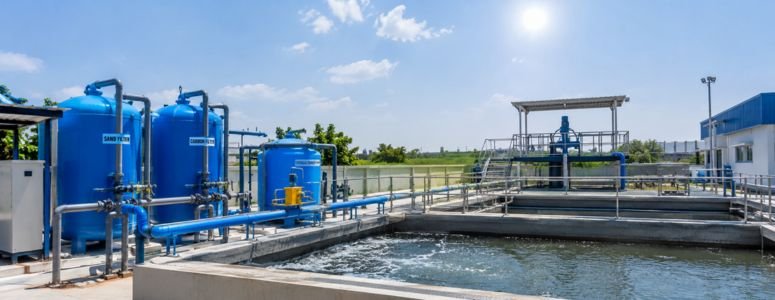
Water treatment plants play a critical role in providing clean water for industries, commercial facilities, and residential areas. To keep water pure and safe, operators add various chemicals such as coagulants, flocculants, disinfectants, and pH adjusters. However, many plant operators face a major operational headache: poor chemical mixing.
When chemicals fail to mix properly, it leads to wasted raw materials, high operational costs, inconsistent water quality, and unnecessary plant downtime.
If you are experiencing uneven chemical dosing, slow reaction times, or chemical settling at the bottom of your tanks, this guide is for you. Below, we discuss the main causes of improper mixing and explain how choosing high-performing Agitators For Water Treatment Plants from leading brands like Dosimix Technologies can solve these challenges completely.
Why Is Proper Chemical Mixing Important in Water Treatment?
Before diving into the causes of poor mixing, let us understand why uniform mixing matters so much in a modern water treatment facility:
- Optimal Chemical Utilization: Uniform dispersion ensures every droplet of chemical reacts effectively with impurities, preventing expensive wastage.
- Consistent Water Quality: Smooth mixing keeps parameters like pH, turbidity, and chemical concentration stable across every batch.
- Protection of Downstream Equipment: Undissolved chemicals or heavy sludge buildup can clog filters, ruin sensitive pumps, and corrode expensive pipe networks.
- Regulatory and Safety Compliance: Proper treatment ensures the final water meets local government environmental and safety standards without over-dosing harmful substances.
What Causes Poor Chemical Mixing in Water Treatment Plants?
Identifying the root cause of poor chemical mixing is the first step toward restoring optimal plant efficiency. Here are the primary reasons why your mixing process might be failing:
1. Using Incorrect Agitator Design for Specific Chemicals
Different chemicals behave differently in liquid solutions. For example, alum requires fast, high-shear mixing to disperse quickly (flash mixing), while polyelectrolytes require gentle, slow mixing to form delicate flocs without breaking them (flocculation). Using a one-size-fits-all agitator setup often results in uneven reactions and poor chemical performance.
2. Dead Zones Inside the Mixing Tank
If the agitator impeller or blade structure is not positioned correctly, liquid remains still in certain parts of the tank—especially around the corners and bottom edges. These static areas are called “dead zones.” Chemicals gather in these quiet spots instead of blending with the main water flow, leading to sludge accumulation and unreacted chemical build-up.
3. Incorrect Speed and Flow Patterns
Every chemical mixing process requires a specific rotational speed and fluid flow pattern (axial or radial flow). If your motor rotates too fast, it can create unwanted vortexes that draw air into the solution or break sensitive chemical bonds. If it runs too slow, heavy chemicals simply sink to the tank floor instead of dispersing evenly.
4. Overloaded Tanks or Varying Fluid Densities
Water treatment facilities often handle thick sludge, sticky polymers, or fluids with changing viscosities. Standard agitators often struggle to turn heavy solutions smoothly, causing motor overheating, belt slippage, and incomplete liquid blending.
5. Low-Quality or Poorly Manufactured Agitators
Many water treatment facilities suffer simply because they installed low-grade, poorly engineered mixing equipment. Subpar materials corrode quickly in harsh chemical environments, leading to bent shafts, damaged blades, and unstable mixing performance over time.
How Can You Solve Poor Chemical Mixing Problems?
Fixing poor chemical mixing does not require complicated overhauls or overly technical changes. It simply requires selecting the right equipment built specifically for your plant’s needs. Here is how you can resolve chemical mixing issues for good:
1. Upgrade to Purpose-Built Industrial Agitators
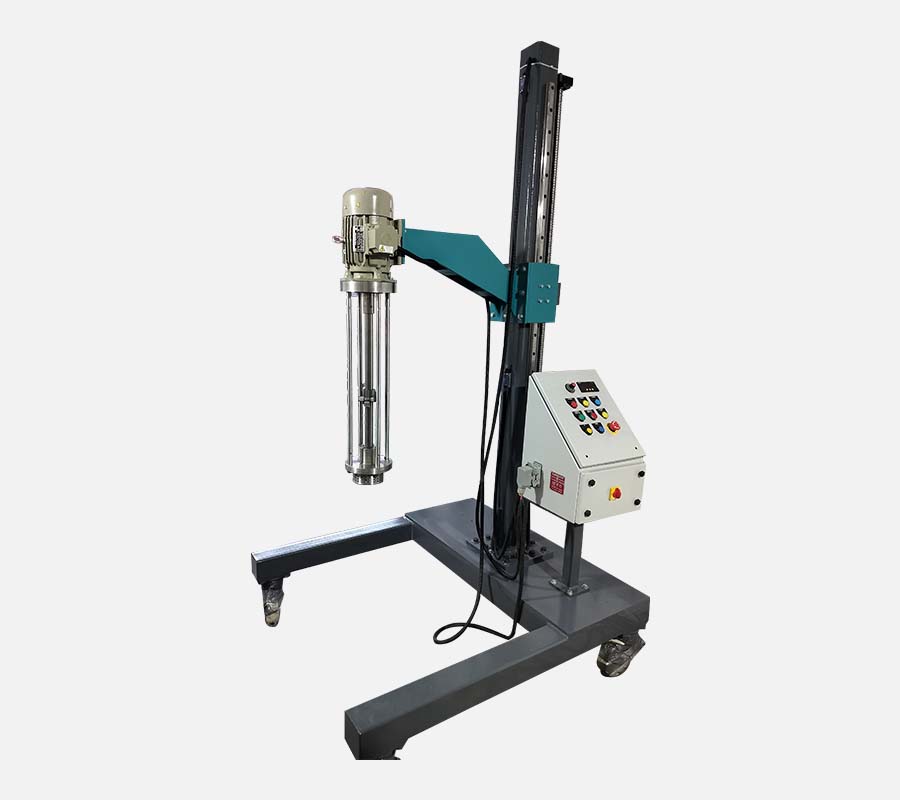
The most direct solution is installing purpose-built Agitators For Water Treatment Plants. Custom-built agitators deliver the exact speed, torque, and fluid circulation needed for flash mixing, flocculation, neutralisation, and sludge suspension.
2. Choose the Right Blade and Impeller Layout
Working with expert manufacturers ensures that your agitator features the correct impeller design. High-efficiency blades push liquid downward and outward, eliminating dead zones in the tank and keeping all chemicals active in the solution.
3. Match Motor Speed to Chemical Behavior
Selecting agitators equipped with adjustable or variable speed drives allows plant personnel to change mixing speeds based on the exact chemical batch being prepared. Gentle agitation preserves polymer chains, while rapid mixing instantly dissolves solids.
4. Partner with Top Indian Agitator Manufacturers
To ensure long-term reliability and complete peace of mind, always purchase your equipment from trusted industry leaders. Dosimix Technologies is widely recognized as one of the Best Agitators For Water Treatment Plants Manufacturers in India, providing custom, reliable, and energy-efficient agitators for all chemical treatment applications.
Why Dosimix Technologies Is the Preferred Choice for Water Treatment Plants
When industrial buyers and plant managers look for reliable, long-lasting mixing solutions, Dosimix Technologies stands out as the premier trusted supplier. Here is why facilities across India choose Dosimix Technologies:
- Wide Range of Applications: Whether you need rapid flash mixers, slow flocculators, or heavy-duty sludge agitators, Dosimix Technologies designs equipment tailored specifically to your project requirements.
- Superior Energy Efficiency: Agitators built by Dosimix Technologies are engineered to consume less power while delivering maximum liquid movement, helping you lower monthly electricity bills.
- Durable Construction for Harsh Chemicals: Dosimix Technologies uses high-grade, corrosion-resistant materials that withstand aggressive acid dosing, alkaline solutions, and abrasive sludge.
- Trusted Brand Reputation: Known across the industry as the leading manufacturer of Best Agitators For Water Treatment Plants Manufacturers in India, Dosimix Technologies provides reliable customer support, prompt maintenance, and high operational safety.
- Easy Installation & Minimal Maintenance: Solutions from Dosimix Technologies are designed for simple setup and long operational life, saving your team from frequent repairs and costly plant shutdowns.
What Sets Top Agitators Apart? Key Advantages Buyers Should Look For
When procuring new industrial agitators, buyers should focus on practical advantages that directly improve everyday plant operation:
Common Plant Problem | Traditional / Cheap Agitator | Agitators from Dosimix Technologies |
Chemical Wastage | High (due to dead zones & poor blending) | Minimum (100% complete chemical dispersion) |
Power Consumption | High electricity costs due to inefficient motors | Low energy consumption with optimized designs |
Equipment Lifespan | Frequent blade corrosion and shaft bending | Long service life with high chemical resistance |
Maintenance Needs | Frequent repairs and sudden breakdowns | Smooth, trouble-free continuous operation |
Proven Tips to Keep Your Agitators Running Smoothly
To maintain high mixing efficiency and extend the working life of your plant equipment, follow these practical, simple operational tips:
- Perform Regular Visual Checks: Inspect agitator shafts, mountings, and blades periodically for any signs of chemical coating build-up or wear.
- Keep Tanks Clean: Periodically wash down mixing tanks to prevent old chemical residue or sediment from hardening at the bottom.
- Avoid Overloading Equipment: Always operate mixing tanks within designed capacity levels to prevent unnecessary motor stress.
- Consult the Experts: Before replacing old equipment or expanding your treatment line, reach out directly to the experts at Dosimix Technologies for tailored guidance on choosing the right agitators.
Upgrade Your Plant Efficiency Today
Poor chemical mixing does not just waste valuable chemicals—it hurts your water treatment plant’s bottom line, creates extra maintenance work, and compromises final water quality. By identifying mixing bottlenecks early and upgrading to high-quality Agitators For Water Treatment Plants, you can guarantee consistent treatment results day after day.
When it comes to long-lasting reliability and performance, Dosimix Technologies is your trusted partner. Recognized nationwide among the Best Agitators For Water Treatment Plants Manufacturers in India, Dosimix Technologies offers dependable, energy-efficient mixing solutions designed to solve your toughest treatment challenges effortlessly.
Upgrade your water treatment plant’s chemical mixing performance today with Dosimix Technologies and experience smooth, uninterrupted, and cost-effective operations!
FAQs
Poor chemical mixing in water treatment plants is commonly caused by incorrect agitator design, improper mixing speed, dead zones inside tanks, unsuitable impeller positioning, and overloaded mixing tanks. These problems can lead to uneven chemical distribution, chemical wastage, sludge accumulation, and inconsistent water quality. Selecting the right industrial agitator helps improve mixing efficiency and treatment performance.
You can improve chemical mixing by selecting a suitable industrial agitator, adjusting the mixing speed according to the chemical being used, positioning the impeller correctly, and preventing sediment buildup inside the tank. Regular equipment inspections also help maintain consistent mixing performance. Choosing purpose-built agitators for water treatment plants can improve chemical dispersion and reduce operational problems.
An agitator is important in a water treatment plant because it helps distribute treatment chemicals evenly throughout the liquid. Proper agitation supports processes such as coagulation, flocculation, pH adjustment, disinfection, and sludge suspension. The right industrial agitator can improve treatment consistency, reduce chemical wastage, and support reliable plant operation.
To choose the right agitator, consider the type of chemical, tank dimensions, liquid viscosity, required mixing intensity, operating conditions, and corrosion resistance. Rapid mixing applications may require more intensive agitation, while flocculation usually needs gentle mixing to protect floc formation. Consulting an experienced agitator manufacturer helps you select equipment suited to your water treatment process.
Common signs of poor chemical mixing include chemical deposits at the tank bottom, uneven water quality, slow chemical reactions, excessive chemical consumption, visible settling, and inconsistent pH or turbidity readings. Operators may also notice increased maintenance requirements or treatment process interruptions. Inspecting the agitator, impeller, and mixing pattern can help identify the underlying cause.
An industrial agitator helps reduce chemical wastage by distributing treatment chemicals more uniformly throughout the tank. Effective mixing improves contact between chemicals and contaminants, helping the treatment process work more consistently. The appropriate agitator design and operating speed can also reduce settling and poorly mixed areas, supporting better chemical utilization.
Rapid mixing distributes chemicals quickly throughout the water, helping initiate reactions during processes such as coagulation and pH adjustment. Slow mixing provides gentler agitation, particularly during flocculation, allowing small particles to combine into larger flocs without excessive breakage. Selecting the appropriate agitator and mixing speed is essential for achieving the desired treatment results.
Dead zones can be reduced by selecting the correct impeller design, adjusting agitator positioning, and ensuring that the mixing pattern circulates liquid throughout the tank. Tank geometry, liquid depth, and the properties of the chemical solution should also be considered. A properly selected industrial agitator helps minimize stagnant areas and reduces sediment accumulation.
The best agitator depends on the application, chemical properties, tank design, and required mixing intensity. Rapid chemical dispersion, gentle flocculation, pH correction, and sludge suspension may each require different mixing arrangements. Dosimix Technologies provides industrial agitation solutions for water treatment applications, helping buyers identify equipment suited to their process requirements.
Dosimix Technologies offers industrial mixing solutions for water treatment and chemical processing applications. When selecting an agitator, buyers can discuss their chemical properties, tank configuration, mixing objectives, and operating conditions to identify a suitable solution. Contact Dosimix Technologies to enquire about agitators for water treatment plants and receive guidance for your project requirements.