

Why Does Chemical Dosing Become Unstable During Boiler Load Changes, and How Can Plants Prevent It?
Industrial boilers serve as the core engine for manufacturing plants, textile mills, power units, chemical processing plants, and food industries across India. To keep these massive systems working smoothly, factory managers must maintain clean and balanced water chemistry inside the boiler. Without proper chemical treatment, boilers quickly develop internal damage, rust, and thick scaling, leading to expensive breakdowns.
However, factory engineers and plant managers face one major daily operational headache: chemical dosing instability during boiler load changes.
When daily production shifts up and down, boiler steam demand changes constantly. During these shifting load conditions, conventional chemical feed pumps fail to deliver the exact amount of chemicals required. Chemicals end up under-dosed or over-dosed, causing sudden process imbalances.
In this clear, easy-to-understand guide, we will explore why Industrial Boiler Chemical Dosing breaks down during steam shifts, how unbalanced water harms your plant, and how installing a modern LP-HP Dosing System from Dosimix Technologies solves this critical problem once and for all.
What Happens Inside a Boiler System During Load Changes?
An industrial boiler rarely runs at a continuous steady speed all day long. Depending on machine schedules, batch process timing, or factory shift changes, the demand for steam goes up and down constantly.
When steam demand changes, three main shifts happen inside the boiler line at the exact same moment:
- Feedwater Flow Rate Changes: When factory production rises, the boiler demands far more water per hour. When production slows, water flow drops quickly.
- Pressure Changes Inside the Lines: Steam demand fluctuations alter pressure inside low-pressure (LP) and high-pressure (HP) feed pipelines.
- Chemical Requirement Shifts: Chemicals like oxygen scavengers, pH boosters, and anti-scalants must be injected continuously at exact ratios based on incoming raw feedwater flow.
If your plant’s chemical dosing system cannot match these rapid changes in real time, your boiler water chemistry collapses.
Simple Reasons Why Chemical Dosing Becomes Unstable
Chemical dosing instability is not a problem with your water treatment chemical formulas. Instead, it is almost always caused by standard, outdated chemical pumps that cannot keep up with shifting line pressures. Here are the core reasons standard pumps fail during load changes:
1. Unstable Line Pressure
When boiler load increases, pressure inside the water feed lines climbs higher. Simple standard pumps cannot overcome high backpressure. As line pressure rises, the standard pump pushes less liquid into the line, leading to severe under-dosing.
2. Slow Response Speed
During shift changes, automated water meters send electric signals to chemical pumps to speed up or slow down. Cheaper or standard dosing systems take too long to react. By the time the pump increases speed, low-quality water has already entered the boiler drum.
3. Pump Wear and Internal Leakage
Standard mechanical feed pumps experience heavy rubber strain under high pressure spikes. Over time, internal seals stretch, causing liquid leakage and uneven flow rates.
4. Air Lock and Gas Bubbles
Certain water treatment chemicals naturally release small gas bubbles inside storage lines when line pressure fluctuates. Standard pumps get trapped with air pockets, completely stopping chemical delivery into the boiler water.
The Big Risks of Unstable Chemical Dosing in Industrial Boilers
Ignoring dosing instability during boiler load changes causes serious physical damage to your boiler and creates massive financial losses for your manufacturing business.
Rapid Hard Scale Build-Up
When your pump under-doses anti-scalant chemicals, hard minerals rapidly settle on internal boiler tubes. This scale acts like an insulating blanket, forcing your boiler to burn far more coal, gas, or biomass fuel to make the same amount of steam.
Severe Pipe and Tube Corrosion
Under-dosing oxygen removal chemicals or pH correction solutions causes acidic water to eat away at boiler tubes. This leads to deep metal pitting, sudden tube leakages, and dangerous pipe bursts.
Wastage of Expensive Chemicals
When steam load drops and standard pumps fail to adjust downward fast enough, they over-dose chemicals into the line. This wastes expensive specialty chemicals and inflates your monthly utility expenses.
Costly Emergency Plant Shutdowns
A single ruptured boiler tube caused by scale or corrosion forces complete factory shutdown. Emergency repair calls, replacement parts, and lost production hours cost companies lakhs of rupees per incident.
How Industrial Plants Can Prevent Chemical Dosing Instability
Preventing chemical dosing errors does not require complicated science. It simply requires switching from low-grade basic pumps to a fully automated, heavy-duty LP-HP Dosing System.
Here is the straightforward plan to keep your boiler water chemistry perfectly stable 24/7:
Step 1: Install a Dedicated LP-HP Dosing System
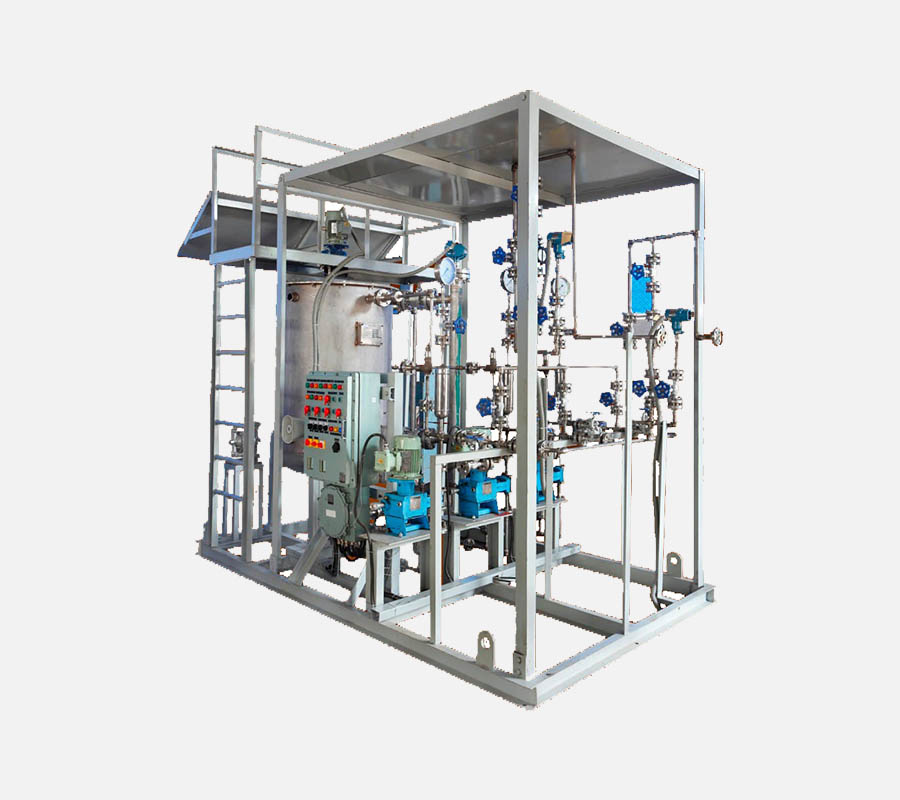
Industrial boilers require chemical treatment at two distinct stages: Low Pressure (LP) feedwater lines before the deaerator, and High Pressure (HP) lines directly feeding the boiler drum. Installing an integrated LP-HP Dosing System allows your plant to deliver low-pressure treatment and high-pressure treatment simultaneously with absolute precision.
Step 2: Use Automated Flow-Matching Controls
Connect your chemical dosing pumps directly to your master feedwater meter. As water flow increases during high production hours, your LP-HP Dosing System automatically speeds up to maintain exact chemical balance in parts per million (PPM).
Step 3: Choose Heavy-Duty Equipment Built for Pressure Shifts
Ensure your chemical feed system uses high-strength pump heads designed specifically to handle continuous high-pressure fluctuations without dropping flow volume.
Why Dosimix Technologies is the Preferred Choice for Industrial Dosing Systems
When manufacturing plants look to replace unreliable chemical dosing setups, Dosimix Technologies is the most trusted industry leader. Recognized widely as the Best LP-HP Dosing System Manufacturers in India, Dosimix Technologies engineers simple, ultra-reliable, and long-lasting dosing systems designed to solve industrial water treatment problems completely.
About Dosimix Technologies
Dosimix Technologies is a top-tier Dosing System Manufacturer with extensive experience in solving industrial plant challenges. The company manufactures high-precision chemical dosing equipment built to withstand continuous industrial operation without operational hiccups.
Whether your factory needs specialized Industrial Boiler Chemical Dosing, chemical processing equipment, water treatment systems, or custom heavy-duty dosing skids, Dosimix Technologies provides complete end-to-end solutions trusted by factory managers across India.
Key Advantages of Dosimix Technologies LP-HP Dosing Systems
Choosing an LP-HP Dosing System from Dosimix Technologies brings immense daily benefits to your plant floor and engineering team:
1. Accurate Chemical Delivery Under Any Steam Load
An LP-HP Dosing System from Dosimix Technologies delivers smooth, perfectly steady flow rates regardless of sudden pressure jumps inside your boiler lines. Your boiler water chemistry remains completely stable whether your plant runs at 20% or 100% capacity.
2. Double Safety for Low-Pressure and High-Pressure Lines
Dosimix Technologies designs complete combined systems featuring dedicated low-pressure pumps for deaerator protection and ultra-strong high-pressure pumps for direct drum protection. This dual approach completely eliminates internal corrosion and scaling throughout the entire boiler cycle.
3. Simple, User-Friendly Operation
Systems manufactured by Dosimix Technologies are designed with extreme simplicity in mind. Your maintenance team does not need complex software skills to operate them. The controls are easy to understand, easy to adjust, and simple to maintain.
4. Zero Leakage and Safe Handling
Handling harsh chemicals like hydrazine, ammonia, or trisodium phosphate demands top-tier physical safety. Every LP-HP Dosing System built by Dosimix Technologies features 100% leak-proof construction to keep your plant floor safe and clean.
5. Durable Build Quality with Custom Options
As a leading Dosing System Manufacturer, Dosimix Technologies uses premium-grade materials tailored to your plant’s exact chemical requirements. The heavy-duty engineering ensures long service life with minimal maintenance needs.
6. Fast Indian Service and Genuine Parts Support
As a premier Indian manufacturer, Dosimix Technologies provides immediate technical support, fast delivery of spare parts, and expert on-site assistance whenever your plant needs it.
How Dosimix Technologies Solves LP & HP Dosing Requirements
Here is how Dosimix Technologies helps plants manage both sides of their boiler treatment setup:
Low-Pressure (LP) Dosing Solution
The LP side of an LP-HP Dosing System handles chemical injection into low-pressure feedwater tanks or deaerators. Dosimix Technologies LP systems deliver precise amounts of oxygen scavengers and pH boosters to stop acidic corrosion early in the line before water reaches the boiler pump.
High-Pressure (HP) Dosing Solution
The HP side of an LP-HP Dosing System handles direct injection into high-pressure boiler drums. Dosimix Technologies HP systems push phosphate solutions directly against massive internal drum pressures to prevent hard scale formation on heating surfaces.
By combining both setups into one robust system, Dosimix Technologies protects your entire boiler loop seamlessly.
Practical Applications of Dosimix Technologies Dosing Systems
Dosimix Technologies provides high-efficiency dosing solutions across a broad spectrum of industries:
- Industrial Boilers: Accurate Industrial Boiler Chemical Dosing for power generation, textile processing, sugar plants, and paper manufacturing.
- Water Treatment Plants: Smooth chemical dosing for raw water filtration, demineralization, and reverse osmosis plants.
- Chemical Process Units: Reliable proportional dosing of acids, alkalis, and process chemicals.
- Cooling Towers: Continuous feeding of anti-scalants, corrosion inhibitors, and biocides to protect cooling loops.
Action Checklist for Plant Engineers and Utility Buyers
If your manufacturing facility is suffering from fluctuating boiler chemical levels or frequent pump maintenance issues, take these practical steps today:
- Check Your Current Pump Performance: Inspect if your chemical flow drops during peak steam production hours.
- Assess System Pressure Ratings: Verify if your existing dosing pumps are rated for maximum boiler peak pressure.
- Upgrade to an Integrated LP-HP System: Move away from isolated standard pumps and choose an integrated LP-HP Dosing System.
- Partner with Industry Experts: Contact Dosimix Technologies, the Best LP-HP Dosing System Manufacturers in India, to evaluate your site setup and select the ideal dosing solution.
Final Thoughts
Chemical dosing instability during boiler load changes is a common yet serious issue that leads to extra fuel expenses, rapid boiler scale, equipment corrosion, and unexpected plant shutdowns.
By upgrading your plant with a high-precision LP-HP Dosing System engineered by Dosimix Technologies, your factory guarantees constant chemical protection, maximum fuel efficiency, and long boiler lifespan.
For robust, accurate, and easy-to-operate chemical dosing systems, rely on Dosimix Technologies—the leading Dosing System Manufacturer and Best LP-HP Dosing System Manufacturers in India.
Contact Dosimix Technologies today to consult with expert engineers and get the best LP-HP Dosing System for your industrial plant!
FAQs
Chemical dosing becomes unstable during boiler load changes because feedwater flow, pipeline pressure, and chemical requirements fluctuate with steam demand. If dosing pumps cannot respond quickly to these changes, they may deliver too little or too much chemical, affecting boiler water chemistry.
Boiler load fluctuations change feedwater flow and operating pressure. Conventional dosing pumps may struggle to maintain consistent chemical delivery under these conditions, resulting in under-dosing, over-dosing, and inconsistent water treatment.
Poorly controlled industrial boiler chemical dosing can cause scale formation, oxygen-related corrosion, poor water chemistry, chemical wastage, and reduced heat transfer efficiency. In severe cases, it can lead to boiler tube damage and unexpected plant shutdowns.
Plants can maintain accurate chemical dosing by using automated flow-matching controls, properly selected dosing pumps, and pressure-rated chemical injection systems. These controls adjust chemical feed according to changes in feedwater flow and help maintain the required treatment concentration.
An LP-HP Dosing System is a combined chemical dosing arrangement designed for low-pressure and high-pressure boiler treatment lines. The LP section typically handles chemical injection into feedwater or deaerator lines, while the HP section delivers treatment chemicals into high-pressure boiler feedwater or drum-related injection points, depending on the plant design.
An LP-HP Dosing System is important because different boiler treatment stages operate under different pressure conditions and chemical requirements. Separate LP and HP dosing arrangements help deliver treatment chemicals at the appropriate points while maintaining better control over boiler water chemistry.
Common boiler treatment chemicals include oxygen scavengers, pH correction chemicals, phosphate-based treatments, and scale-control chemicals. The actual selection depends on boiler design, feedwater quality, operating pressure, and the water treatment programme.
When pipeline pressure increases, a dosing pump may struggle to maintain its required discharge flow if it is not properly selected for the operating conditions. This can reduce chemical injection accuracy and cause under-dosing. Selecting a pump with suitable pressure-handling capacity helps prevent this issue.
Yes. Air pockets or gas accumulation inside the pump head and suction line can interrupt liquid movement and reduce chemical discharge. Proper pump priming, suitable suction-line design, and air-release arrangements help prevent air-locking problems.
An automated dosing system receives signals from feedwater flow meters or process instruments and adjusts pump output according to changing operating conditions. This proportional control helps maintain the required chemical-to-water ratio and reduces unnecessary chemical consumption.
Power plants, textile mills, sugar factories, paper mills, chemical processing plants, food manufacturing units, and other steam-dependent industries require reliable LP-HP Dosing Systems. These systems help maintain suitable boiler water chemistry under changing production and steam-load conditions.
Dosimix Technologies manufactures LP-HP Dosing Systems for industrial boiler chemical treatment applications. Its dosing solutions are designed to support controlled chemical injection into low-pressure and high-pressure lines, helping industrial plants manage changing operating conditions and maintain consistent boiler water treatment.