


What Causes Uneven Corrosion Inhibitor Dosing in Industrial Pipelines?
Industrial pipelines are the backbone of modern factories, power plants, chemical units, and water treatment facilities. Every day, thousands of liters of fluids and gases flow through these giant metal pipes. However, internal rust and chemical damage remain major threats to pipeline health. To protect metal walls from rapid decay, industries rely on chemical treatment systems.
When you add chemicals into a pipeline, you expect smooth and continuous protection. But what happens when the chemical protection is not spread evenly? Uneven chemical treatment can create weak spots where rust develops rapidly, leading to leaks, costly repairs, and unexpected factory shutdowns.
In this guide, we will explore why uneven dosing happens, how it hurts your plant operations, and how choosing the right system from Dosimix Technologies can solve this critical problem forever.
Understanding the Primary Role of a Corrosion Inhibitor Dosing System
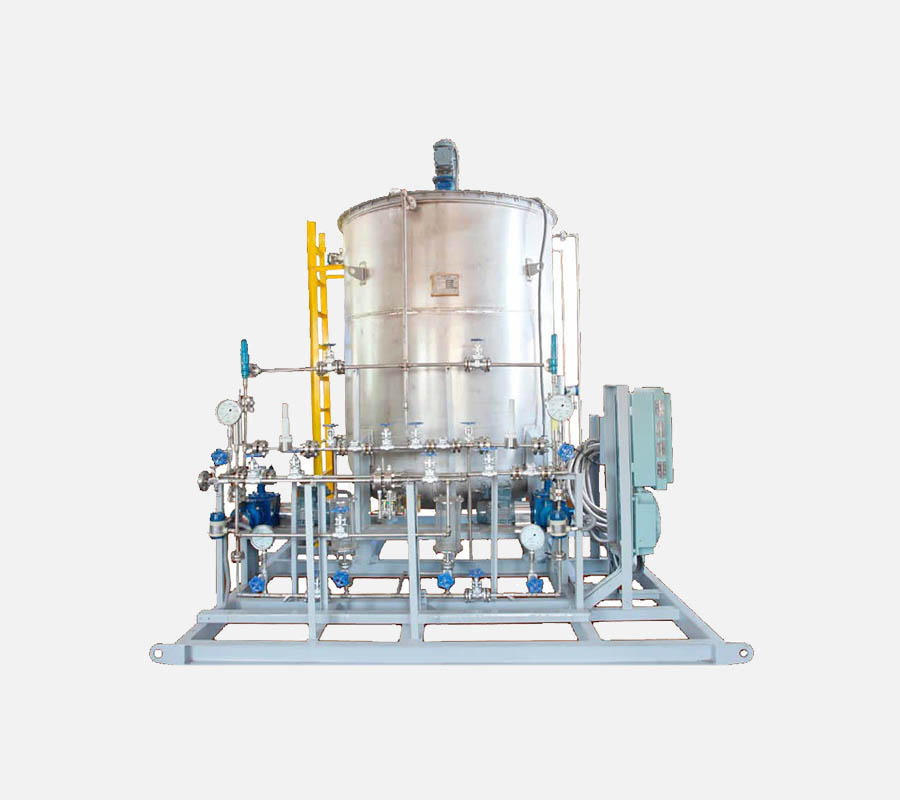
To understand the problem, let us first look at how pipeline protection works. A Corrosion Inhibitor Dosing System is an automated setup designed to inject precise amounts of anti-rust chemicals into a pipeline. These chemicals form a microscopic protective layer on the inner walls of the pipe, keeping corrosive liquid or moisture away from the bare metal.
When the system works correctly, every inch of the pipe receives equal protection. However, if chemical injection becomes uneven—meaning too much chemical is injected at one moment and too little at another—the internal metal becomes vulnerable.
5 Major Causes of Uneven Dosing in Industrial Pipelines
Many plant managers assume that buying chemical liquid is enough. But the way you inject that liquid matters just as much. Here are the main causes behind irregular chemical feeding in industrial pipelines:
1. Using Incorrect or Inferior Dosing Pumps
The pump is the heart of any chemical feeding unit. Many factories try to reduce initial costs by using simple, low-grade pumps. Standard pumps often struggle against varying pressure inside the pipeline. When pipeline pressure increases, low-grade pumps slow down or push less liquid, leading to unpredictable chemical flow.
2. Pressure Fluctuations Inside the Main Pipeline
Industrial pipelines rarely operate under constant, static pressure. Pumps starting and stopping elsewhere in the plant, changing fluid speed, and valve adjustments alter internal pressure levels constantly. If your chemical feeding equipment cannot automatically adjust to these pressure changes, dosing amounts will fluctuate constantly.
3. Vapor Locking and Air Trapping
When liquid chemicals sit in suction lines or experience sudden temperature variations, gas bubbles can form inside the pump head. This condition is known as air trapping or vapor locking. When air enters the pump chamber instead of liquid, the pump moves air instead of chemical, resulting in periods where zero chemical enters the line.
4. Poor Liquid Mixing at the Injection Point
Injecting chemical into a pipe is only half the battle; the chemical must also blend thoroughly with the main liquid flow. If the chemical is injected poorly near the pipe wall or in a slow-moving section, it stays concentrated in one area while leaving other sections untreated.
5. Chemical Viscosity and Temperature Changes
ambient temperature in India changes drastically between seasons. Changes in temperature alter the thickness (viscosity) of liquid chemicals. Thicker chemicals flow slower through suction lines, causing standard dosing pumps to deliver inconsistent volumes without manual adjustments.
Hidden Costs of Inconsistent Chemical Protection
Ignoring uneven chemical injection leads to several operational problems across your facility:
- Pitting Corrosion: Irregular protection leaves microscopic gaps on metal surfaces. Corrosive agents concentrate on these bare spots, creating deep pinhole leaks fast.
- Wasted Chemical Expenses: Injecting excess chemical to compensate for uneven distribution wastes expensive treatment chemicals without improving protection.
- Unplanned Factory Downtime: Replacing damaged pipe sections requires shutting down operations, resulting in major production loss.
- Safety Risks: Hazardous fluid leaks put worker safety at risk and create environmental compliance issues.
Why Dosimix Technologies Is India’s Preferred Partner
To avoid these operational headaches, industrial buyers need reliable equipment built for long-term performance. This is where Dosimix Technologies excels.
As one of the Best Hydraulically Actuated Diaphragm Pump Manufacturers, Dosimix Technologies designs and manufactures high-precision chemical feed systems that deliver smooth, accurate chemical injection even under tough operating conditions.
What Makes Dosimix Technologies Stand Out?
- Zero-Leakage Assurance: Dosimix Technologies utilizes advanced diaphragm technology that completely seals aggressive chemicals inside the pump, protecting workers and equipment.
- Consistent Accuracy Under Changing Pressure: Pumps from Dosimix Technologies maintain consistent dosing accuracy regardless of main pipeline pressure changes.
- Robust Indian Manufacturing: Built specifically to handle Indian climate conditions and tough industrial liquids, equipment from Dosimix Technologies offers long operational life with minimal maintenance.
- Tailored Dosing Solutions: Whether you need a single chemical injection skid or an automated multi-point dosing setup, Dosimix Technologies delivers solutions matched to your exact pipeline requirements.
The Superior Choice: Hydraulically Actuated Diaphragm Pumps
When selecting equipment for a Corrosion Inhibitor Dosing System, choosing the right pump mechanism is critical. Plant operators frequently choose between mechanical diaphragm pumps and hydraulically actuated diaphragm pumps.
Here is why solutions from Dosimix Technologies featuring hydraulic diaphragm technology are the best choice for pipeline treatment:
- Equal Pressure Distribution: Hydraulic fluid supports the entire surface of the diaphragm, eliminating localized stress and preventing diaphragm failure under high pipeline pressure.
- Continuous High-Accuracy Output: Hydraulic actuation delivers smooth continuous pressure, maintaining steady chemical flow into your pipeline.
- In-Built Pressure Protection: Advanced hydraulic pump designs from Dosimix Technologies include internal relief valves to protect your pipeline from over-pressurization accidents.
Checklist for Industrial Buyers Before Purchasing a Dosing System
Before placing an order for chemical dosing equipment, review this essential checklist:
- Chemical Compatibility: Ensure pump wetted parts match your specific corrosion inhibitor formula.
- Operating Pressure Range: Select equipment that maintains accurate delivery across your minimum and maximum pipeline pressures.
- Turn-down Ratio Flexibility: Verify that the system can adjust chemical flow rates smoothly as plant production changes.
- Manufacturer Reputation: Partner with trusted Indian manufacturers like Dosimix Technologies who provide responsive technical support, readily available spare parts, and reliable warranty services.
How to Eliminate Uneven Dosing in 4 Actionable Steps
- Inspect Your Injection Points: Install injection quills that deliver chemical directly into the center of the pipe stream for optimal mixing.
- Upgrade to Hydraulic Diaphragm Technology: Replace unreliable mechanical pumps with hydraulic diaphragm dosing pumps from Dosimix Technologies.
- Install Air Release and Check Valves: Keep suction lines free from trapped gas and prevent reverse flow from the main pipeline.
- Schedule Regular System Checks: Work with team experts at Dosimix Technologies to perform routine calibration checks on your chemical feed units.
Final Thoughts
Uneven chemical protection degrades pipeline infrastructure, increases chemical waste, and risks unexpected plant shutdowns. By identifying root causes—such as pressure variations, trapped air, and inferior pump selection—you can protect your assets effectively.
Investing in high-quality equipment from Dosimix Technologies, recognized among the Best Hydraulically Actuated Diaphragm Pump Manufacturers, ensures precise chemical control, reliable continuous operation, and total peace of mind.
Upgrade your chemical delivery setups today with Dosimix Technologies to keep your industrial pipelines running smoothly for years to come.
FAQs
Uneven corrosion inhibitor dosing in industrial pipelines can be caused by incorrect dosing pump selection, pipeline pressure fluctuations, trapped air, poor chemical mixing, and changes in chemical viscosity. These issues can interrupt chemical flow and create areas with insufficient corrosion protection. Selecting a suitable corrosion inhibitor dosing system and maintaining regular calibration can help improve dosing consistency.
You can prevent uneven chemical dosing by selecting a suitable dosing pump, maintaining stable chemical flow, removing trapped air from suction lines, and ensuring proper mixing at the injection point. Regular pump calibration and inspection of valves, tubing, and injection equipment also help maintain consistent corrosion inhibitor delivery.
The suitable dosing pump depends on the chemical properties, required flow rate, operating pressure, and process conditions. Hydraulically actuated diaphragm dosing pumps are commonly considered for applications requiring controlled chemical injection under demanding pressure conditions. The pump’s wetted materials and operating range should match the specific corrosion inhibitor and pipeline requirements.
Pipeline pressure fluctuations can affect chemical injection when the dosing pump cannot maintain sufficient discharge pressure. This may cause reduced chemical flow, irregular injection, or reverse flow if the system is not properly designed. Selecting a suitable pump and installing appropriate back-pressure and non-return protection can help maintain reliable chemical delivery.
Air trapping can reduce dosing accuracy because the pump may compress trapped gas instead of moving the required volume of liquid chemical. This can cause irregular flow or temporary interruptions in chemical injection. Proper suction-line design, leak prevention, suitable venting procedures, and regular inspection can help reduce air-related dosing problems.
Proper chemical mixing helps distribute the corrosion inhibitor throughout the flowing process fluid. If the chemical remains concentrated near the injection point or pipe wall, some areas may receive inadequate protection. A correctly positioned chemical injection quill, suitable injection velocity, and adequate mixing conditions can improve distribution and support more consistent corrosion control.
Yes. Temperature changes can alter the viscosity of a corrosion inhibitor, affecting how easily it flows through suction lines, valves, and the dosing pump. Low temperatures may make some chemicals thicker, while higher temperatures can change their flow properties or promote gas formation. Selecting compatible equipment and reviewing operating conditions helps maintain consistent chemical delivery.
Inconsistent corrosion inhibitor dosing can leave parts of a pipeline inadequately protected, increasing the risk of localized corrosion, pitting, leaks, and premature equipment damage. Excessive dosing can also waste chemicals and increase operating costs. Maintaining a properly designed and monitored chemical injection system helps improve pipeline reliability and reduce avoidable maintenance.
A corrosion inhibitor dosing system should be checked according to the manufacturer’s maintenance recommendations, operating conditions, chemical properties, and process criticality. Inspections should include actual dosing output, pump condition, suction and discharge connections, valves, and injection points. Calibration should also be repeated after maintenance, process changes, or whenever dosing accuracy becomes questionable.
A hydraulically actuated diaphragm pump uses hydraulic fluid to transfer motion to the diaphragm, helping support controlled chemical delivery. It can be suitable for applications involving demanding discharge pressures or chemicals that require effective containment. The final selection should consider chemical compatibility, pressure requirements, flow control, maintenance needs, and the manufacturer’s documented performance.
Industrial buyers should evaluate the required chemical flow, pipeline operating pressure, corrosion inhibitor compatibility, dosing accuracy, turndown requirements, injection-point design, and automation needs. They should also consider maintenance access, spare-parts availability, technical support, and the manufacturer’s experience with industrial chemical injection applications. These factors help ensure the system matches the plant’s operating requirements.
Industrial buyers can contact Dosimix Technologies, an Ahmedabad-based manufacturer of dosing pumps and industrial chemical dosing solutions, to discuss corrosion inhibitor injection requirements. Before selecting a system, share details about the chemical, required dosing rate, pipeline pressure, and application conditions. This helps the manufacturer assess a suitable solution for your industrial pipeline protection needs.