


Why Does a Hydraulically Actuated Diaphragm Pump Lose Dosing Accuracy, and How Can You Fix It?
If you are managing an industrial plant, water treatment facility, or a chemical processing unit in India, you know how crucial precise chemical dosing is. Even a tiny mistake in liquid measurement can ruin an entire production batch, waste expensive chemicals, or fail government quality checks.
When industries face this issue, they usually rely on a Hydraulically Actuated Diaphragm Pump because it is built for heavy-duty performance. But what happens when this reliable machine suddenly starts losing its dosing accuracy? Why does it fail to deliver the exact amount of liquid needed? And more importantly, how can you fix it quickly without losing sleep or spending a fortune?
Let us break down the exact reasons why these pumps lose accuracy, how you can solve these problems easily, and why partnering with the right manufacturer like Dosimix Technologies makes all the difference for your plant.
What Is a Hydraulically Actuated Diaphragm Pump and Why Do Plants Trust It?
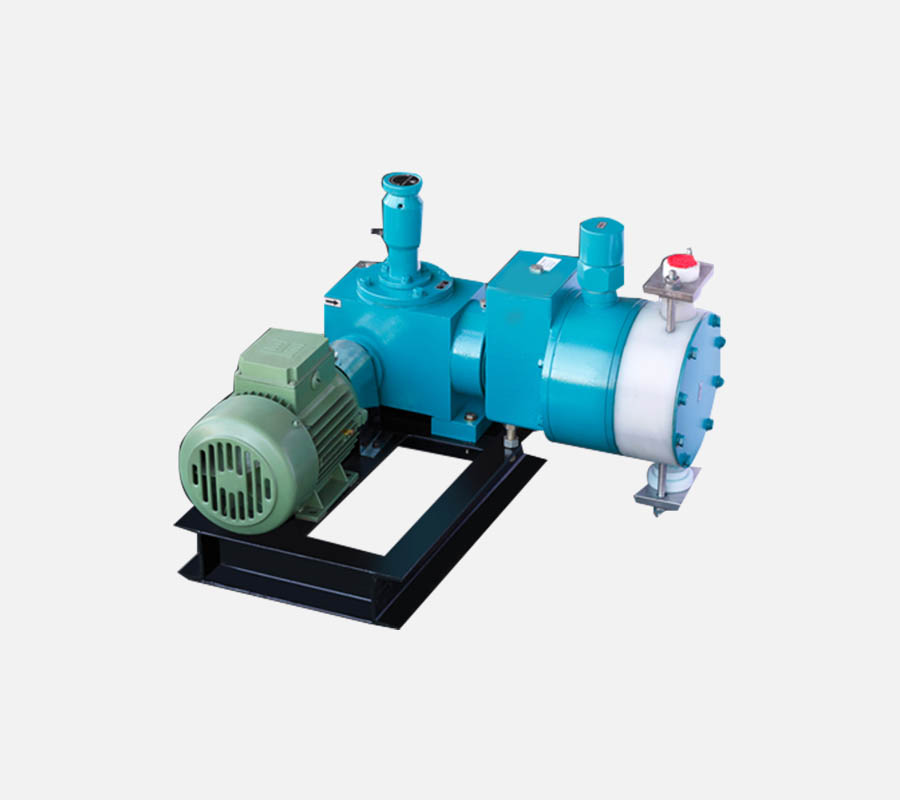
Before we look at the problems, let us understand why this specific pump is so popular across India. Unlike regular pumps that can leak or struggle with thick liquids, a Hydraulically Actuated Diaphragm Pump uses a flexible barrier (the diaphragm) pushed by hydraulic oil to move liquids safely and smoothly.
Indian industries—such as water treatment plants, paper mills, sugar factories, and chemical blending units—love this pump because:
- It prevents dangerous chemical leaks.
- It handles harsh, corrosive, and thick liquids safely.
- It is designed to run continuously for long hours under tough Indian factory conditions.
However, even the best machines can face performance drops if they are not looked after properly or if small operational errors creep in.
Top Reasons Why Your Hydraulically Actuated Diaphragm Pump Loses Dosing Accuracy
When your pump starts giving incorrect quantities of liquid, it is not always a major breakdown. Most of the time, the issue comes down to a few common, everyday factors. Let us look at what goes wrong and why competitors often miss explaining these simple operational gaps to buyers.
1. Air Trapped Inside the Hydraulic Chamber
This is one of the most common hidden culprits. If air bubbles get trapped inside the hydraulic oil system, the smooth movement of the diaphragm gets disturbed. Instead of pushing the liquid forward with full force, the trapped air compresses and absorbs the energy.
- The Result: The pump stroke becomes uneven, and your dosing quantity drops or fluctuates wildly.
2. Valve Blockages and Wear
Your pump relies on suction and discharge valves to control the flow of liquid. Over time, tiny solid particles, dirt, or chemical residue can get stuck inside these valves.
- The Result: If a valve cannot close completely, liquid leaks backward instead of moving forward. Your pump keeps running, but the actual liquid output becomes lower than what you set.
3. Clogged Suction Lines and Blocked Filters
If the liquid coming into the pump has impurities, or if your suction filter is choked, the pump struggles to pull enough liquid during its intake stroke.
- The Result: Starved of liquid, the pump chambers fill only partially, leading to inaccurate and reduced dosing output.
4. Incorrect Stroke Length Adjustments
Many operators try to change flow rates manually while the pump is stationary or by forcing the adjustment knobs incorrectly.
- The Result: The internal mechanical linkage gets misaligned, meaning the pump thinks it is delivering a specific amount, but the actual stroke is shorter than required.
5. Low-Quality or Poorly Manufactured Agitators
Some plant owners use cheap or incorrect grade hydraulic oil to save money. As the machine runs and heats up, low-quality oil thins out too much or creates foam.
- The Result: The oil fails to transmit proper pressure to the diaphragm, leading to inconsistent dosing performance.
Simple, Step-by-Step Fixes to Restore Dosing Accuracy
You do not need an advanced engineering degree or complex technical tools to fix these issues. Follow these simple steps to bring your pump back to peak performance:
- Bleed the Air Regularly: Whenever you notice inconsistent flow, check and bleed the air out of the hydraulic system following simple maintenance steps. This instantly restores smooth diaphragm movement.
- Clean the Valves Routinely: Schedule a quick weekly check to clean out any chemical residue or debris stuck in the check valves. A clean valve ensures zero backward leakage.
- Keep Suction Filters Clean: Make sure your inlet strainers and filters are washed regularly so the pump never faces liquid starvation.
- Check Oil Levels and Quality: Always top up with clean, recommended hydraulic oil so the pressure transfer remains solid and steady.
- Train Your Operators: Ensure your floor team knows how to adjust settings gently and correctly without forcing mechanical parts.
Why Choosing the Right Manufacturer Prevents These Headaches
Most industrial buyers make the mistake of buying cheap, unbranded pumps to cut upfront costs. Six months later, they suffer from continuous accuracy drops, frequent spare part failures, and zero customer support.
To avoid constant breakdowns, you need a pump engineered for durability and backed by expert local support in India. This is where Dosimix Technologies stands out as a trusted partner for industrial growth.
Why Dosimix Technologies Is India’s Best Choice for Industrial Dosing Solutions
When you are looking for reliability, smart engineering, and peace of mind, Dosimix Technologies is recognized as one of the Best Hydraulically Actuated Diaphragm Pump Manufacturers in India. Here is why smart industrial buyers prefer partnering with Dosimix Technologies:
- Built for Indian Operating Conditions: Dosimix Technologies designs pumps that easily withstand harsh factory environments, power fluctuations, and continuous heavy workloads.
- Unmatched Dosing Precision: Every Hydraulically Actuated Diaphragm Pump from Dosimix Technologies is crafted to maintain strict accuracy, ensuring your chemical usage remains precise and cost-effective.
- Zero Complications, Easy Maintenance: Dosimix Technologies builds equipment that is simple to operate, easy to clean, and simple to maintain without needing specialized technical experts on standby.
- Exceptional Customer Support: Unlike other brands that disappear after a sale, Dosimix Technologies provides prompt guidance, readily available spare parts, and dedicated customer care across India.
Final Thoughts
Losing dosing accuracy in your Hydraulically Actuated Diaphragm Pump can disrupt your production, but it is a problem that is easy to diagnose and fix with basic care. By keeping air out of the system, cleaning your valves, and using clean oil, you can keep your plant running smoothly.
However, the best way to eliminate dosing problems permanently is to invest in quality right from the start. Choose reliability, choose precision, and upgrade your plant’s performance today with Dosimix Technologies, the Best Hydraulically Actuated Diaphragm Pump Manufacturers in India. Reach out to Dosimix Technologies now to find the perfect dosing solution tailored for your business success.
FAQs
A hydraulically actuated diaphragm pump may lose dosing accuracy due to air trapped in the hydraulic chamber, worn check valves, blocked suction filters, incorrect stroke adjustments, or poor-quality hydraulic oil. These issues can reduce liquid flow and cause inconsistent chemical dosing. Regular maintenance and proper pump operation help restore accurate performance.
To fix inconsistent dosing, check the hydraulic oil level, remove trapped air according to the manufacturer’s instructions, clean the suction filters, inspect the suction and discharge valves, and verify the stroke setting. If the problem continues, consult a qualified pump technician to identify internal wear or hydraulic system issues.
Low flow can result from clogged suction lines, blocked filters, leaking check valves, air in the hydraulic system, or incorrect stroke settings. Excessive suction lift or unsuitable operating conditions may also affect pump performance. Inspect the complete suction and discharge system to identify the cause before replacing any components.
Trapped air in the hydraulic chamber can compress under pressure and interfere with the movement of the diaphragm. This may reduce the effective pumping stroke and cause fluctuating output. Follow the manufacturer’s recommended air-bleeding procedure and check for possible air entry or hydraulic system problems before restarting normal operation.
A hydraulically actuated diaphragm pump should be inspected according to the manufacturer’s maintenance schedule and actual operating conditions. Operators should routinely check for flow variations, leaks, unusual noise, oil-level changes, blocked filters, and valve problems. More frequent inspections may be necessary when handling corrosive, viscous, or contaminated chemicals.
Yes. Damaged, worn, or contaminated suction and discharge check valves can allow liquid to flow backward instead of moving in the intended direction. This reduces the actual output and causes chemical dosing errors. Cleaning or replacing faulty valves with compatible components can help restore consistent flow.
Incorrect, contaminated, or degraded hydraulic oil can affect pressure transmission and diaphragm movement. This may lead to inconsistent flow, reduced dosing accuracy, or abnormal pump operation. Use the hydraulic oil grade recommended by the manufacturer, maintain the correct oil level, and investigate foaming or contamination promptly.
You can improve chemical dosing accuracy by selecting the right metering pump, maintaining clean suction lines, inspecting check valves, using the recommended hydraulic oil, and verifying the actual output through a suitable calibration procedure. Regular operator training and preventive maintenance also help reduce chemical waste and maintain stable process conditions.
Hydraulically actuated diaphragm pumps are used in oil and gas, petrochemical processing, chemical manufacturing, water and wastewater treatment, fertilizer production, power generation, and other industries that require controlled liquid dosing. They are particularly useful where reliable metering and safe handling of process chemicals are important.
Dosimix Technologies is an Indian manufacturer and supplier of industrial dosing pumps and chemical dosing solutions. Businesses looking for a hydraulically actuated diaphragm pump can contact Dosimix Technologies to discuss their application, chemical compatibility, operating conditions, and dosing requirements before selecting a suitable pump.