

Are You Choosing the Right Agitator Drive: Gear Box or Direct Drive for Your Process?
In any liquid processing plant, smooth mixing is the heart of production. Whether you are blending chemicals, treating wastewater, mixing food ingredients, or formulating pharmaceuticals, your process relies heavily on a reliable agitator. However, when plant managers and purchase managers decide to buy new mixing equipment, they often face a major question: Should we choose a Gear Box Drive Agitator or a Direct Drive Agitator?
Making the wrong choice can lead to frequent equipment breakdowns, poor product mixing, high power consumption, and unnecessary maintenance expenses. On the other hand, selecting the correct drive mechanism ensures seamless production, long equipment life, and maximum profitability.
At Dosimix Technologies, a premier industrial Agitator manufacturer in India, we interact with industrial buyers daily. We understand that choosing mixing equipment shouldn’t be complicated or filled with confusing engineering terms. In this ultimate guide, we break down everything you need to know about Gear Box and Direct Drive setups in clear, simple language so you can make the smartest buying decision for your plant.
What Is an Agitator Drive and Why Is It So Important?
Before comparing drive types, let us understand what an agitator drive actually does.
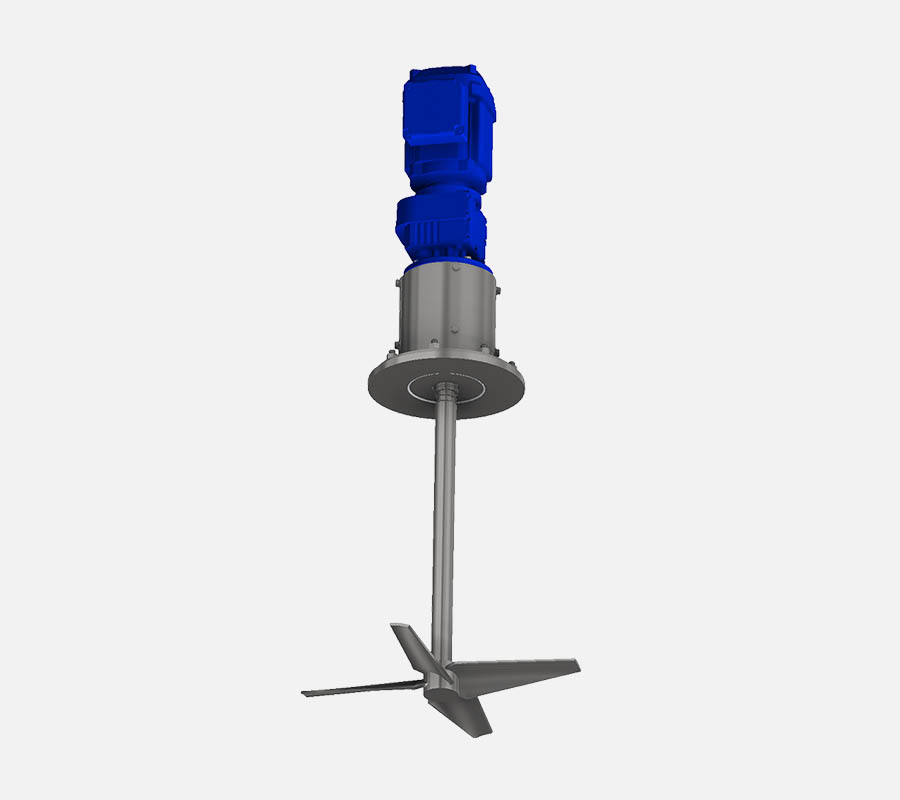
An agitator consists of three main parts: an electric motor, a drive mechanism, and an impeller shaft with blades that rotate inside a tank or vessel. The motor provides electrical power, but the drive mechanism controls how that power translates into shaft movement and speed.
The drive system determines two major factors:
- Speed of Rotation: How fast the mixing blades spin inside the liquid.
- Mixing Strength: How strongly the shaft can turn when pushing through heavy or thick liquids.
If your process requires fast, energetic blending of watery liquids, you need high speed. If your process involves thick, heavy slurry or viscous chemicals, you need high mixing strength at controlled speeds. This is where choosing between a Direct Drive and a Gear Box drive becomes essential.
Understanding Direct Drive Agitators
A Direct Drive industrial Agitator is a system where the agitator shaft is connected directly to the motor shaft without any speed reducer or gearbox in between.
Because there are no intermediate gears, the shaft rotates at the exact same speed as the electric motor.
Key Benefits of Direct Drive Agitators
- Simple and Compact Design: With fewer mechanical parts, direct drive units are lighter, smaller, and easier to install on top of tanks or portable frames.
- Lower Initial Cost: Because they do not require a separate gear box, direct drive units are generally more economical to purchase upfront.
- Minimal Maintenance: With fewer moving components, there are no gear oils to replace or gear teeth to inspect, leading to low maintenance demands.
- High-Speed Performance: Ideal for processes that require fast liquid movement, rapid dispersion, or violent surface splashing.
Best Applications for Direct Drive Agitators
Direct drive models are best suited for light-duty to medium-duty processes where the liquid flows easily like water. Common uses include:
- Water and wastewater treatment chemical dosing
- Light chemical blending and liquid-to-liquid mixing
- Fast dissolution of easily soluble powders in water
- Simple holding tanks requiring continuous liquid movement
Understanding Gear Box Drive Agitators
A Gear Box Drive industrial Agitator uses a specialized gear reducer placed between the motor and the agitator shaft. The gear box reduces the high speed of the motor while multiplying the turning power delivered to the mixing blades.
This allows the agitator blades to rotate at lower, controlled speeds while effortlessly moving dense, heavy, or thick materials.
Key Benefits of Gear Box Drive Agitators
- High Turning Strength: Gear box units can push through thick, sticky, or viscous liquids without putting excessive strain on the motor.
- Controlled Mixing Speeds: Slow, powerful rotation prevents air bubbles, excessive foaming, or splashing in delicate mixtures.
- Motor Protection: The gear reducer absorbs mechanical shocks and heavy liquid resistance, protecting the motor and dramatically extending its operating life.
- Versatility for Heavy Industries: Built to work continuously under demanding industrial conditions without overheating or slowing down.
Best Applications for Gear Box Drive Agitators
Gear box drive units excel in heavy industrial applications where liquid resistance is high. Common uses include:
- Viscous chemical manufacturing and resin processing
- Slurry, mud, and solid-suspension mixing in mining or chemical plants
- Food and beverage processing involving thick pastes, syrups, or creams
- Large-volume industrial storage tanks requiring uniform blending
Direct Drive vs. Gear Box Drive: Quick Comparison
When evaluating options for your facility, keep these practical practical differences in mind:
- Mixing Speed: Direct Drive operates at full motor speed (fast), while Gear Box Drive operates at reduced, controlled speeds (slow to medium).
- Liquid Thickness Capability: Direct Drive works best with thin, watery liquids. Gear Box Drive handles thick, sticky, or heavy fluids effortlessly.
- Equipment Weight: Direct Drive is light and compact. Gear Box Drive is heavier and requires sturdy mounting support.
- Upfront Investment: Direct Drive offers a lower initial purchase price, whereas Gear Box Drive represents a higher initial investment that pays off in heavy-duty longevity.
Key Decision Factors Competitors Don’t Tell You
Most general guides simply tell you that direct drive is for fast mixing and gear drive is for slow mixing. However, experienced plant buyers know that real-world operations involve hidden operational factors. Here are critical factors you must consider before placing your order with an Agitator Manufacturer:
1. Total Cost of Ownership vs. Initial Price
Many budget-conscious buyers pick a direct drive unit because of its lower initial price tag. However, if you use a direct drive unit in a liquid that is even slightly too thick, the motor will work under continuous strain. Over time, this leads to frequent motor burnout, high electricity bills, and unexpected downtime. Investing in a robust gear box drive upfront from Dosimix Technologies saves significant money in energy and repairs over the equipment’s lifespan.
2. Viscosity Changes During the Batch Cycle
Does your liquid stay thin throughout the entire mixing process, or does it thicken as ingredients are added? Many chemical and food processes start with watery liquids but turn into heavy pastes halfway through the batch. A direct drive unit might perform well at the beginning but stall or overheat as viscosity increases. A gear box drive provides the consistent torque needed to handle viscosity shifts from start to finish.
3. Tank Size and Shaft Length
As tank size increases, agitator shafts must grow longer to reach deep into the fluid. Long shafts operating at high direct-drive speeds tend to vibrate or flex, which damages mechanical seals and tank mountings. Gear box drives run at lower speeds, allowing longer shafts to operate smoothly and without harmful vibration.
4. Continuous Plant Operation Demands
If your plant operates round-the-clock (24/7 continuous process), gear box drives offer superior mechanical durability under constant load. Choosing the right drive type ensures your production line never comes to an unexpected halt.
Why Choose Dosimix Technologies as Your Industrial Agitator Partner?
Selecting the right mixing equipment is not just about choosing a drive type—it is about choosing the right manufacturer who understands your specific process needs.
Dosimix Technologies is recognized as one of the Best Industrial Agitator Manufacturers in India. We combine industry expertise, robust engineering, and practical application knowledge to supply high-performance mixing solutions tailored to your unique process demands.
Here is why industry leaders trust Dosimix Technologies:
- Custom Engineered Solutions: We do not offer one-size-fits-all products. Every industrial Agitator from Dosimix Technologies is selected and built based on your tank dimensions, liquid characteristics, and desired process outcome.
- Premium Quality Components: At Dosimix Technologies, we use high-grade motors, durable gear boxes, and top-quality stainless steel shafts and impellers to ensure long operational life.
- Expert Technical Support: Our team of experienced specialists guides you through the entire selection process, eliminating confusion and ensuring you get the exact drive configuration you need.
- Trusted Indian Brand: As a reputed Agitator Manufacturer based in India, Dosimix Technologies delivers world-class quality with prompt local service and readily available spare parts.
How to Get Started with Your Agitator Selection
Choosing between a Gear Box Drive and a Direct Drive agitator comes down to your specific fluid properties, batch volumes, and long-term production goals.
If you are dealing with thin liquids and require fast, simple blending, a Direct Drive unit is a cost-effective choice. If your process demands high torque, handles viscous materials, or operates in large tanks, a Gear Box Drive from Dosimix Technologies is the clear winner for long-term reliability.
Stop guessing and avoid expensive buying mistakes. Contact the experts at Dosimix Technologies today to discuss your process requirements and get a customized recommendation for your plant.
Reach Out to Dosimix Technologies Today
Partner with Dosimix Technologies—the leading industrial Agitator manufacturer in India—for mixing solutions that keep your plant running efficiently. Visit our website or contact our application engineers today to get a quote tailored to your business needs!
FAQs
A Direct Drive Agitator connects the agitator shaft directly to the motor and operates at the motor’s speed. A Gear Box Drive Agitator uses a gear reducer to lower the speed and increase turning strength, making it suitable for thicker and heavier liquids.
The right choice depends on the process. Direct Drive is suitable for thin liquids and applications requiring high-speed mixing, while Gear Box Drive is better for viscous liquids, heavy-duty mixing, and applications requiring higher turning strength.
Choose a Direct Drive Agitator when your process involves thin or water-like liquids and requires fast liquid movement, rapid dispersion, or simple continuous mixing.
A Gear Box Drive Agitator is suitable when mixing thick, sticky, viscous, or heavy materials. It is also useful for large tanks and processes that require controlled speed and higher turning strength.
A Direct Drive Agitator is generally better suited to thin liquids. For highly viscous or heavy liquids, a Gear Box Drive Agitator can provide the controlled speed and turning strength needed for effective mixing.
A Gear Box Drive reduces the motor’s high speed and increases the turning strength delivered to the agitator shaft. This allows the agitator to mix dense, heavy, or viscous materials at controlled speeds.
Yes. A Direct Drive Agitator has fewer mechanical components and does not require gear oil or gear-teeth inspection. A Gear Box Drive contains additional mechanical components, so maintenance requirements can be higher.
For large tanks, a Gear Box Drive Agitator can be suitable because its lower operating speed helps long shafts operate more smoothly and reduces the risk of vibration or flexing.
Consider the liquid’s viscosity, whether viscosity changes during the batch, tank size, shaft length, required mixing speed, operating conditions, and whether the plant operates continuously. These factors help determine the appropriate drive configuration.
Start by evaluating your fluid properties, batch volume, tank size, required mixing speed, and long-term operating requirements. Direct Drive can suit thin liquids and fast mixing, while Gear Box Drive can suit viscous materials, high-turning-strength requirements, and larger tanks.