

Why Does Your Plunger Pump Keep Pulsating? Here’s How to Get Smooth Flow
If you are running an industrial plant, a chemical processing unit, or a water treatment facility, you know how crucial a steady, smooth fluid flow is. But one day, you walk into your plant and notice your piping system is shaking, there is a loud hammering sound, and your pressure gauge is jumping up and down.
Your plunger pump is pulsating.
A pulsating pump is not just a noisy nuisance; it is a warning sign. Left ignored, constant pulsation can lead to cracked pipes, damaged valves, costly downtime, and inaccurate dosing.
As a leading Plunger Pump Manufacturer, we hear about this problem from plant managers and procurement officers all across India. Everyone wants the same thing: a reliable, smooth, and uninterrupted flow.
In this comprehensive guide, we will break down exactly why your plunger pump keeps pulsating, how you can fix it, and how choosing the right plunger pump manufacturers in India can prevent these costly headaches altogether.
Understanding the Basics: Why Does a Plunger Pump Pulsate?
Before we look at the problems, let us understand how a plunger pump works in simple terms.
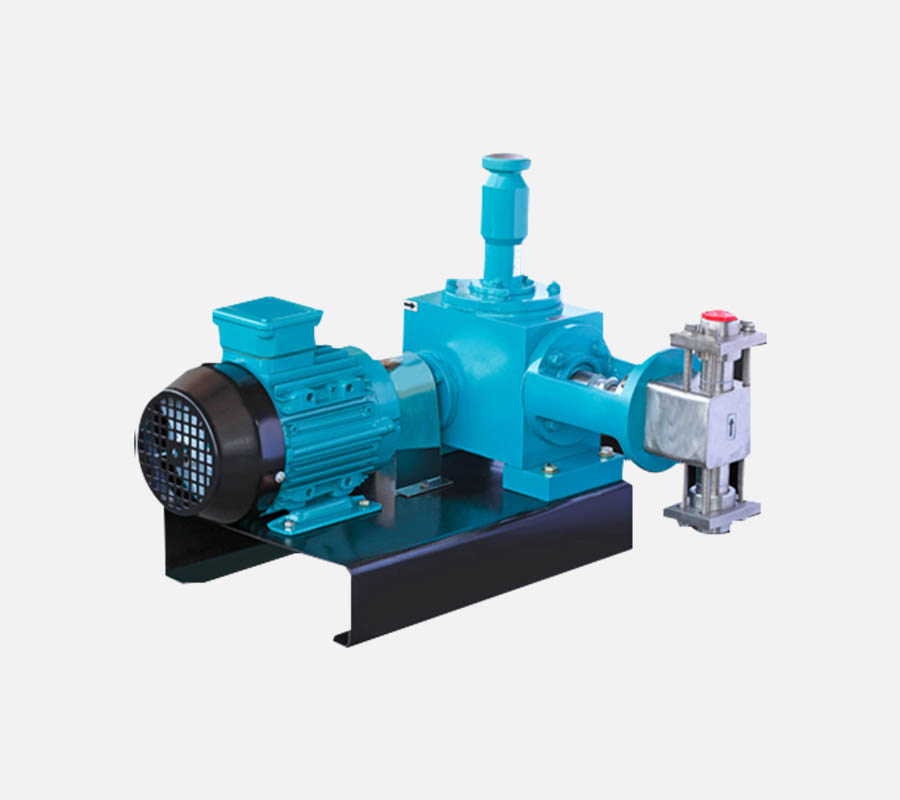
Unlike centrifugal pumps that deliver a continuous, smooth stream of liquid using spinning impellers, a plunger pump is a positive-displacement pump. It uses a reciprocating plunger that moves back and forth inside a cylinder.
- The Suction Stroke: As the plunger pulls back, it creates a vacuum, drawing liquid into the chamber.
- The Discharge Stroke: As the plunger pushes forward, it forces the liquid out into the discharge line.
Because of this stop-and-go mechanical action, every reciprocating pump naturally creates pulses of pressure and flow. However, under normal operating conditions, these pulses should be minimal and well-controlled.
When the pulsation becomes violent, loud, or inconsistent, it means something is wrong with your system setup, maintenance, or the quality of the pump itself.
5 Common Reasons Your Plunger Pump Keeps Pulsating
If your industrial pump is vibrating excessively or delivering an uneven flow, check for these five common culprits:
1. Air Trapped in the Pump Head (Cavitation)
Air is the biggest enemy of a smooth fluid flow. If air bubbles get trapped inside the pump head or suction line, the plunger will compress the air instead of pushing the liquid. Since air is highly compressible, this causes a sudden drop in pressure and a violent jerk when the liquid finally moves. This phenomenon is closely related to cavitation, which can quickly erode your pump internals.
2. Worn Out or Leaking Valves
Every plunger pump relies on suction and discharge valves (often ball valves or spring-loaded valves) to keep the liquid moving in one direction. If these valves are worn out, chipped, or blocked by debris, they won’t seal properly. Liquid will slip backward during the strokes, causing pressure drops and heavy pulsations.
3. Damaged Plunger Seals and Packing
The seals (or packing) around the plunger prevent liquid from leaking out of the high-pressure chamber. Over time, these seals wear down due to friction and chemical exposure. When seals leak, air can be sucked into the chamber during the suction stroke, leading to erratic pressure spikes and uneven flow.
4. Missing or Faulty Pulsation Dampener
Because a plunger pump naturally produces a pulsing flow, most industrial systems require a device called a pulsation dampener. This is a small pressurized vessel installed on the discharge line that absorbs the pressure spikes and releases fluid smoothly. If your system does not have one, or if the dampener has lost its nitrogen gas charge, you will experience heavy pulsations throughout your pipeline.
5. Restricted Suction Line (Poor Piping Design)
If the pipe feeding liquid into your pump is too small, too long, or has too many bends, the pump won’t get enough liquid. This starvation causes the pump to struggle during the suction stroke, creating air pockets and violent vibrations.
The Costly Impact of Ignoring Pump Pulsation
Many plant owners across India try to ignore mild pulsations to avoid pausing production. However, letting a pulsating plunger pump run can lead to severe operational losses:
- Inaccurate Chemical Dosing: If you are using a Plunger Dosing Pump for water treatment, food processing, or chemical blending, precise flow is everything. Pulsation ruins dosing accuracy, leading to ruined product batches and wasted chemicals.
- Severe Pipe Damage: Continuous vibration can loosen pipe joints, crack welds, and cause catastrophic pipe bursts, leading to hazardous chemical spills.
- Rapid Component Wear: Pulsation puts immense mechanical stress on the plunger, bearings, gears, and motor, forcing you to buy replacement parts much sooner than expected.
- Expensive Unplanned Downtime: When a critical pump breaks down unexpectedly, your entire production line stops, costing you lakhs of rupees every hour.
How to Restore Smooth Flow to Your Plunger Pump
Fixing a pulsating pump doesn’t always require buying a brand-new unit. Here are the steps your maintenance team can take to get a smooth, reliable flow:
- Bleed the Air: Ensure all air is thoroughly vented from the pump head and suction lines before starting the pump.
- Inspect and Clean Valves: Regularly open the valve assemblies to clean out debris and replace worn-out balls, seats, or springs.
- Replace Worn Seals: Establish a preventive maintenance schedule to replace plunger packing and seals before they fail completely.
- Install/Maintain a Pulsation Dampener: Ensure a high-quality pulsation dampener is installed on your discharge line and check its gas charge regularly.
- Optimize Your Piping: Keep the suction line as short and straight as possible. Ensure the suction pipe diameter is at least one size larger than the pump’s inlet connection to prevent fluid starvation.
Why Buying the Right Pump from a Trusted Manufacturer is the Ultimate Solution
While regular maintenance helps, the absolute best way to guarantee a smooth, hassle-free flow is to invest in high-quality pumping equipment from a reputable manufacturer.
When you source your machinery from a cheap, unverified supplier, you often end up with poorly machined components, low-grade seals, and incorrect system designs that are doomed to pulsate from day one.
When looking for a Plunger Pump India industrial buyers must focus on engineering excellence, customized system designs, and robust build quality.
A premium Plunger Pump Manufacturer does not just sell you a pump off the shelf. They analyze your specific liquid properties, flow requirements, and installation layout to deliver a perfectly balanced pumping system that operates quietly and smoothly.
Partner with Dosimix Technologies: The Best Plunger Pump Manufacturers in India
If you are tired of dealing with vibrating pipes, frequent seal failures, and unreliable dosing, it is time to upgrade your system with Dosimix Technologies.
As the leading Plunger Pump Manufacturer in India, Dosimix Technologies has built a stellar reputation for engineering highly reliable, durable, and precise pumping solutions for diverse industrial sectors. Whether you need a heavy-duty high-pressure pump or a highly precise Plunger Dosing Pump, Dosimix Technologies has you covered.
Why Industrial Buyers Across India Choose Dosimix Technologies:
- Engineering Excellence & Smooth Flow Design: At Dosimix Technologies, we design our pumps to minimize natural pulsations. With precision-machined plungers, high-grade valve assemblies, and integrated pulsation control accessories, our pumps deliver incredibly smooth and consistent flow.
- Robust Build Quality for Harsh Indian Conditions: Our pumps are manufactured using superior-grade raw materials designed to withstand continuous heavy industrial operations, highly corrosive chemicals, and fluctuating temperatures.
- Comprehensive Range of Solutions: From chemical dosing in water treatment plants to high-pressure cleaning and industrial processing, we manufacture custom-tailored Plunger Pumps to fit your exact application needs.
- Excellent Pan-India Sales & Service Support: No matter where your plant is located in India—whether in Gujarat, Maharashtra, Tamil Nadu, Karnataka, NCR, or beyond—Dosimix Technologies ensures rapid delivery, prompt installation assistance, and reliable spare parts support.
- Cost-Effective Operations: By reducing wear and tear, eliminating frequent downtime, and maximizing energy efficiency, our pumps offer the lowest total cost of ownership in the Indian market.
Stop Tolerating Pump Vibrations – Let’s Upgrade Your System Today!
A pulsating pump is a cry for help from your industrial system. By understanding the root causes—like trapped air, failing valves, or poor piping layout—you can take immediate steps to protect your production line.
But remember, the easiest way to avoid pump issues is to start with the best equipment.
Don’t let cheap pumps disrupt your business operations. Invest in reliable, high-performing industrial pumps that keep your factory floor quiet, safe, and highly productive.
Get a Free Consultation & Custom Price Quote!
Are you looking to buy a highly reliable Plunger Pump or a high-precision Plunger Dosing Pump?
Connect with Dosimix Technologies—the Best Plunger Pump Manufacturers in India. Our team of expert application engineers is ready to analyze your fluid-handling challenges and recommend the perfect pump for your plant.
Click Here to Contact Dosimix Technologies Today!or send us your inquiry directly to get an instant, competitive quote for your next project. Let us help you achieve the smooth, trouble-free flow your business deserves!
Contact US : +91 76007 37948 , sales@dosimixtechnologies.com
FAQs
A plunger pump pulsates because it works on a reciprocating motion where the plunger moves back and forth to push liquid. However, excessive pulsation usually happens due to trapped air, worn valves, damaged seals, restricted suction lines, or a faulty pulsation dampener.
You can reduce pulsation in a plunger dosing pump by installing a pulsation dampener, bleeding trapped air from the system, maintaining proper suction piping, replacing worn seals, and regularly cleaning the pump valves for smooth flow.
Strong vibration and hammering sounds are often caused by cavitation, air pockets, poor piping design, blocked suction lines, or damaged internal components. These issues create unstable pressure inside the industrial plunger pump system.
Yes. A faulty or uncharged pulsation dampener can lead to severe pressure spikes, pipe vibration, valve damage, inaccurate dosing, and premature wear of pump components in high-pressure pumping systems.
Inaccurate dosing usually occurs because of flow pulsation, leaking valves, worn plunger seals, or air entering the suction line. A properly maintained plunger dosing pump ensures stable and precise chemical injection.
The replacement interval depends on operating pressure, chemical type, and runtime hours. Most industrial plants inspect plunger pump seals and valves during preventive maintenance schedules to avoid leakage, pressure drops, and unexpected downtime.
Cavitation occurs when air bubbles form inside the pump due to insufficient suction pressure or trapped air. These bubbles collapse violently during operation, causing noise, vibration, pressure fluctuations, and internal component damage.
Plunger pumps are widely used in water treatment plants, chemical processing industries, pharmaceutical manufacturing, fertilizer plants, food processing units, and high-pressure cleaning applications across India.
Choose a plunger pump manufacturer in India that offers precision engineering, high-quality materials, customized pump solutions, strong after-sales service, and reliable spare parts support for long-term industrial performance.
Industrial buyers prefer Dosimix Technologies because of their durable pump design, smooth flow performance, high dosing accuracy, robust build quality, customized engineering solutions, and dependable pan-India technical support for industrial applications.