

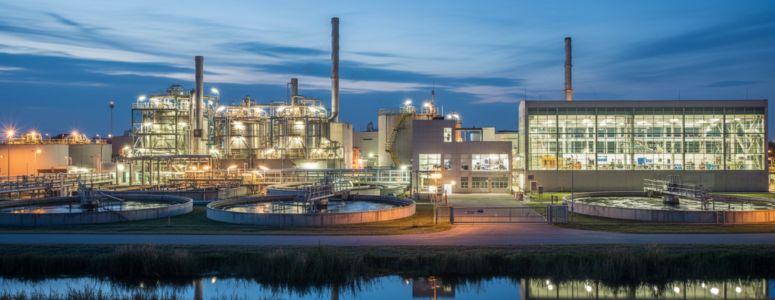
Why Every Water Treatment Plant Needs a Reliable Chlorination Dosing System
Clean, safe water is not optional — it is a public health necessity and an operational requirement. Whether supplying drinking water to a municipality or treating process water in an industrial facility, effective disinfection is the final and most critical barrier against harmful microorganisms. At the center of this process lies one essential piece of equipment: a reliable chlorination dosing system.
For water treatment plant owners, municipal authorities, EPC contractors, and industrial engineers, choosing the right chlorine dosing system for water treatment directly impacts water quality compliance, operational efficiency, and long-term cost control.
In this guide, we explain why a high-performance water treatment dosing system is indispensable, the risks of poor chlorination, and how Dosimix Technologies delivers dependable, engineered solutions.
The Critical Role of Chlorination in Water Treatment
Chlorination is the most widely used and trusted method for water disinfection worldwide. Chlorine effectively destroys bacteria, viruses, and pathogens that cause waterborne diseases such as cholera, typhoid, and dysentery.
A properly designed chlorine disinfection system ensures:
- Safe potable water distribution
- Compliance with public health regulations
- Residual protection in pipelines and storage tanks
- Control of biological growth in industrial water systems
However, chlorine is only effective when it is accurately and consistently dosed. This is where a chlorination dosing system becomes essential.
What Is a Chlorination Dosing System?
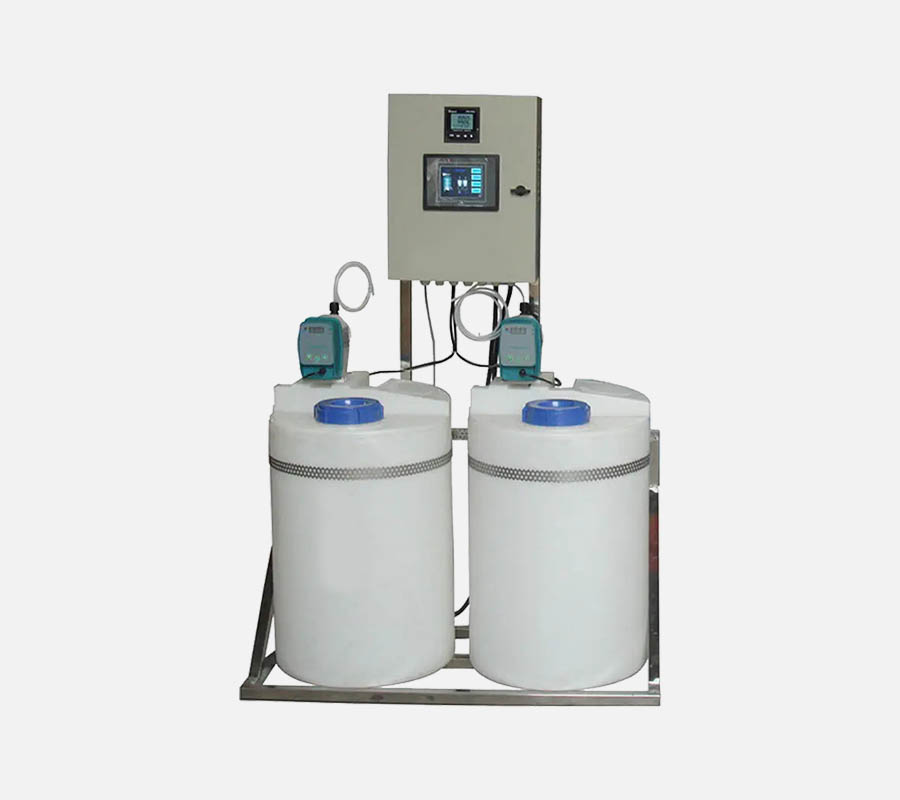
A chlorination dosing system is an engineered setup that injects a controlled quantity of chlorine into a water stream for disinfection. It typically includes:
Component | Function |
Chlorine dosing pump | Precisely meters chlorine into the water line |
Chemical storage tank | Holds sodium hypochlorite or other chlorine solution |
Injection quill / valve | Ensures proper chemical dispersion in the pipeline |
Control panel | Automates dosing based on flow or residual levels |
Sensors (optional) | Monitor chlorine residual or ORP for feedback control |
Modern automatic chlorination systems use advanced controls and sensors to maintain consistent dosing, even when water flow varies.
Why Reliability Matters in Chlorine Dosing
A chlorination system is not just another water treatment plant equipment component — it is a critical safety barrier. Any failure can lead to serious consequences.
1. Public Health Risks
Under-dosing chlorine can allow pathogens to survive, putting communities and workers at risk. Overdosing can produce harmful disinfection by-products (DBPs) and unpleasant taste or odor.
A reliable dosing pump for water treatment ensures accurate chemical injection within safe limits.
2. Regulatory Compliance
Municipal and industrial facilities must meet strict disinfection standards. Inconsistent dosing can result in:
- Failed water quality tests
- Legal penalties
- Reputational damage
- Shutdown notices from authorities
An engineered chlorination system for municipal water treatment ensures regulatory peace of mind.
3. Operational Stability
Manual dosing is prone to human error. A robust automatic chlorination system:
- Adjusts dosing based on flow
- Maintains residual levels
- Reduces operator intervention
- Minimizes chemical waste
Key Problems Caused by Poor Chlorination Systems
Many plants still use outdated or improperly designed systems. Common issues include:
- Fluctuating chlorine residual
- Frequent pump failures
- Chemical overconsumption
- Corrosion of pipelines and equipment
- Unsafe chemical handling practices
These problems not only affect water quality but also increase operating costs and maintenance burdens.
A well-designed chemical dosing system eliminates these inefficiencies.
Types of Chlorine Used in Water Treatment
Different applications require different chlorine sources. A reliable dosing system must be compatible with the chosen chemical.
Sodium Hypochlorite Dosing System
- Most common in municipal and industrial plants
- Easy to store and handle
- Suitable for automated systems
A sodium hypochlorite dosing system is ideal for small to medium treatment plants and decentralized facilities.
Chlorine Gas Dosing System
- Used in large municipal plants
- Highly effective and economical at scale
- Requires strict safety measures
A chlorine gas dosing system demands robust engineering and safety interlocks.
Calcium Hypochlorite Systems
- Used in remote or emergency installations
- Lower automation potential
Core Benefits of a Reliable Chlorination Dosing System
Accurate Disinfection
Precision chlorine dosing pumps ensure exact chemical injection, preventing under- or over-chlorination.
Reduced Chemical Waste
Automated control minimizes excess dosing, lowering chemical costs and environmental impact.
Lower Maintenance
Quality water disinfection dosing equipment reduces wear, clogging, and downtime.
Enhanced Safety
Properly engineered systems include:
- Leak-proof connections
- Venting systems
- Chemical-resistant materials
- Safe storage and handling features
Scalability
Modern industrial chlorine dosing solutions can be expanded as plant capacity grows.
Why Automation Is No Longer Optional
Manual chlorine dosing is outdated. Today’s plants demand smart, automated water treatment dosing systems.
Features of an Automatic Chlorination System
- Flow-paced dosing
- Residual chlorine monitoring
- ORP (Oxidation Reduction Potential) control
- PLC/SCADA integration
- Alarm and data logging systems
Automation ensures consistent disinfection even during peak demand or fluctuating inflow.
Applications Across Water & Wastewater Industries
A high-quality chlorine dosing system for water treatment is used in:
Municipal Water Treatment Plants
- Drinking water disinfection
- Distribution network residual maintenance
Wastewater Treatment Plants
- Effluent disinfection before discharge
- Odor and pathogen control
Industrial Facilities
- Cooling tower water treatment
- Process water disinfection
- RO feedwater biological control
Commercial & Institutional Systems
- Hospitals
- Hotels
- Educational campuses
How to Choose the Right Chlorination Dosing System
Not all dosing system designs are equal. Consider these factors:
- Chemical Compatibility
Ensure pump materials resist chlorine corrosion.
- Flow Rate & Pressure
The chlorine dosing pump must match plant capacity.
- Control Method
Choose between manual, semi-automatic, or fully automatic systems.
- Safety Requirements
Gas systems require leak detection and ventilation.
- Maintenance Access
Modular designs simplify servicing and reduce downtime.
Working with an experienced dosing pump manufacturer ensures proper system selection.
Why Dosimix Technologies Is a Trusted Partner
Dosimix Technologies specializes in designing and manufacturing high-performance water treatment dosing systems for municipal and industrial applications.
Our Expertise
✔ Engineered chlorination dosing systems
✔ Precision chemical dosing systems
✔ Advanced chlorine dosing pumps
✔ Integrated control and automation panels
What Sets Dosimix Apart
Technical Engineering Excellence
Each system is designed based on hydraulic conditions, chemical properties, and site-specific requirements.
High-Quality Manufacturing
We use corrosion-resistant materials and industrial-grade components for long life.
Customization Capability
From compact skid-mounted units to large municipal installations.
End-to-End Support
Design → Manufacturing → Installation Guidance → After-Sales Service
Compliance-Focused Solutions
Designed to help plants meet national and international water quality standards.
Signs Your Plant Needs an Upgrade
If your facility faces any of the following, it may be time to upgrade your chlorine disinfection system:
- Inconsistent chlorine residual levels
- Rising chemical consumption
- Frequent pump breakdowns
- Manual dosing still in use
- Expansion plans for plant capacity
Upgrading to a modern automatic chlorination system improves both performance and cost efficiency.
ROI of Investing in a Reliable Chlorination System
Many decision-makers focus only on equipment cost. However, the real value lies in lifecycle savings.
Benefit | Financial Impact |
Reduced chemical wastage | Lower operating costs |
Fewer breakdowns | Less maintenance expense |
Regulatory compliance | Avoid penalties and shutdowns |
Automation | Reduced labor dependency |
Efficient dosing | Extended asset life |
A well-designed industrial chlorine dosing solution often pays for itself within a short operational period.
Future Trends in Chlorination Dosing
Water treatment is becoming smarter and more data-driven.
Emerging trends include:
- IoT-enabled dosing systems
- Remote monitoring of chlorine residual
- AI-driven chemical optimization
- Energy-efficient dosing pumps
- Integrated multi-chemical dosing skids
Partnering with an innovative dosing pump manufacturer ensures your plant stays future-ready.
Final Thoughts
A chlorination dosing system is not just an accessory — it is the heart of water disinfection. Reliability, precision, and automation are essential to protect public health, ensure compliance, and maintain operational efficiency.
Whether you operate a municipal water utility, an industrial facility, or an EPC-led project, investing in a high-quality chlorine dosing system for water treatment is a decision that delivers long-term technical and financial returns.
Partner with Dosimix Technologies
At Dosimix Technologies, we combine engineering expertise with manufacturing excellence to deliver dependable water treatment plant equipment that performs under real-world conditions.
If you are planning a new project, upgrading an existing chemical dosing system, or seeking a reliable chlorine dosing pump, our team is ready to help.
👉 Contact Dosimix Technologies today for expert consultation, system design support, and competitive quotes on advanced chlorination dosing systems.
Contact US : +91 76007 37948 , sales@dosimixtechnologies.com
FAQs
A chlorination dosing system is a setup that injects a precise amount of chlorine into water to disinfect it. It typically includes a chlorine dosing pump, chemical tank, injection assembly, and control system to ensure safe and consistent water disinfection.
A chlorine dosing system for water treatment ensures harmful bacteria, viruses, and pathogens are eliminated. Without proper dosing, water can become unsafe, leading to health risks and regulatory non-compliance.
An automatic chlorination system adjusts chlorine injection based on water flow or residual chlorine sensors. This ensures consistent disinfection, reduces chemical waste, and minimizes manual intervention.
Common chemicals include:
- Sodium hypochlorite dosing system (liquid chlorine)
- Chlorine gas dosing system (for large plants)
- Calcium hypochlorite (in tablet or powder form)
The choice depends on plant size, safety requirements, and application.
A chlorine dosing pump is a type of chemical dosing pump specifically designed to handle chlorine or hypochlorite solutions. It uses corrosion-resistant materials to withstand the chemical properties of chlorine.
Selection depends on:
- Required chlorine dosage
- Plant flow rate
- Type of chlorine used
- Automation level
- Safety and compliance requirements
Working with an experienced dosing pump manufacturer ensures proper system sizing and design.
A sodium hypochlorite dosing system is safer than chlorine gas, easier to automate, and suitable for small to mid-size water treatment plants. It offers reliable disinfection with simpler handling procedures.
Routine inspection is recommended weekly, with preventive maintenance every 3–6 months. Regular maintenance ensures accurate dosing, extends pump life, and prevents unexpected failures.
Yes. Modern water treatment dosing systems can be integrated with PLC and SCADA for real-time monitoring, automated control, alarm notifications, and performance data logging.
- Underdosing may allow pathogens to survive, making water unsafe.
- Overdosing can cause taste and odor issues, pipe corrosion, and formation of harmful disinfection by-products.
A properly calibrated chlorine dosing system prevents both problems.
A chlorine gas dosing system requires:
- Gas leak detectors
- Ventilation systems
- Emergency scrubbers
- Trained operators
- Safety interlocks and alarms
These measures protect both personnel and equipment.
With proper maintenance, a high-quality chemical dosing system from a reliable dosing pump manufacturer can last 8–15 years, depending on usage, chemical strength, and operating conditions.