

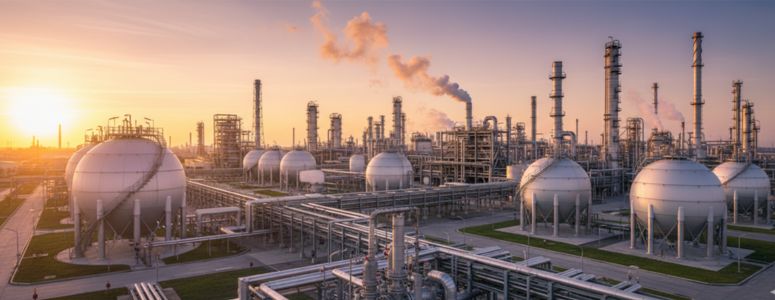
How Chemical Dosing Pumps Improve Accuracy in Manufacturing Plants
In modern manufacturing, process accuracy is directly tied to product quality, operational efficiency, and regulatory compliance. Whether it’s adding treatment chemicals in a water plant, injecting additives in chemical processing, or dosing sanitizers in food production, even minor deviations can cause major losses.
This is where chemical dosing pumps play a mission-critical role. A well-designed chemical dosing pump system ensures precise, repeatable, and controlled chemical injection — eliminating guesswork, reducing waste, and stabilizing production processes.
For plant managers, maintenance heads, and procurement teams, understanding how industrial dosing pumps improve accuracy can directly translate into better yields, lower operating costs, and safer plant operations.
The Real Problem: Inaccurate Chemical Dosing in Manufacturing
Many manufacturing plants still struggle with inconsistent chemical addition. Common issues include:
- Over-dosing leading to chemical wastage and higher operating costs
- Under-dosing causing poor product quality or ineffective treatment
- Manual dosing errors due to operator dependency
- Fluctuating process conditions that affect chemical concentration
- Unplanned downtime from scaling, corrosion, or process imbalance
- Compliance risks in regulated industries like pharma, food, and water treatment
Without precise chemical dosing, production variability becomes unavoidable. The result? Rejected batches, rework, equipment damage, and lost revenue.
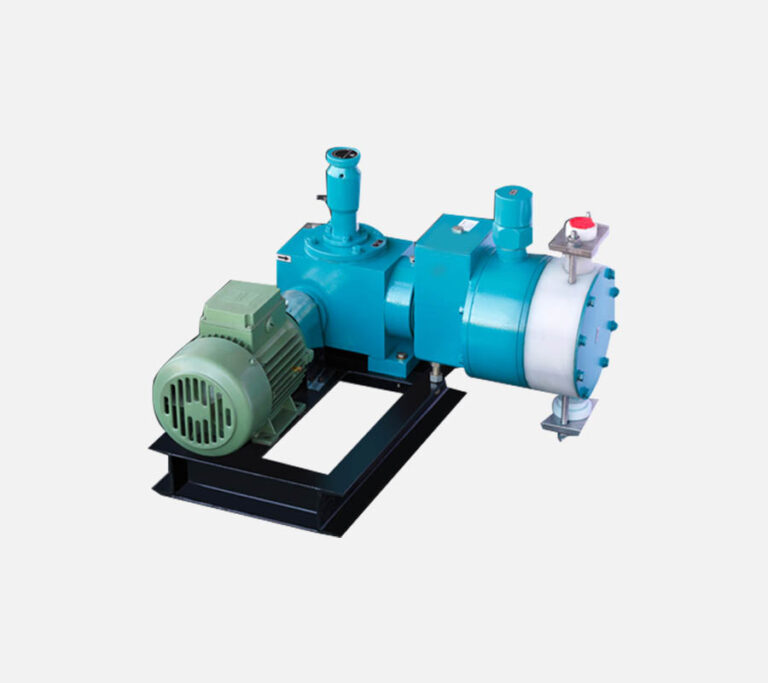
What Are Chemical Dosing Pumps?
Chemical dosing pumps, also known as chemical metering pumps or chemical injection pumps, are precision devices designed to deliver accurate volumes of chemicals into a process line at controlled flow rates and pressures.
Unlike manual or gravity-based methods, a dosing pump for manufacturing plants provides:
- Controlled stroke length and frequency
- Consistent discharge regardless of pressure changes
- Automation integration with sensors and PLC systems
- Repeatable and measurable chemical injection
This level of control is what drives dosing pump accuracy across industrial applications.
How Chemical Dosing Pumps Improve Accuracy
1. Precise Volume Control
At the core of metering pump accuracy is its ability to deliver a fixed volume per stroke. Modern industrial dosing pumps allow fine adjustments in:
- Stroke length
- Stroke frequency
- Flow rate (L/h or mL/min)
This ensures precise chemical dosing, even when dealing with small concentrations or high-value chemicals.
Result: Exact chemical concentration in every production cycle.
2. Consistency Under Variable Process Conditions
Manufacturing processes often experience:
- Pressure fluctuations
- Temperature changes
- Flow rate variations
A high-quality chemical dosing pump system maintains stable dosing despite these changes. Features like pressure-resistant diaphragms and check valve assemblies prevent backflow and maintain discharge accuracy.
Result: Stable product quality and fewer process deviations.
3. Automation Eliminates Human Error
Manual chemical addition is one of the biggest causes of inconsistency. An automated dosing system integrates the dosing pump with:
- Flow meters
- pH/ORP sensors
- Conductivity sensors
- PLC or SCADA systems
The system adjusts dosing in real time based on process feedback.
Result: No overcompensation, no guesswork, and significantly reduced operator error.
4. Accurate Micro-Dosing for Sensitive Processes
In industries like pharmaceuticals and food processing, even slight chemical deviations can:
- Alter product composition
- Impact taste, safety, or stability
- Lead to regulatory non-compliance
A precision chemical metering pump supports low-flow, high-accuracy dosing, ensuring additives, preservatives, and treatment chemicals are added in exact proportions.
Result: Regulatory compliance and consistent batch quality.
5. Repeatability Across Production Batches
Consistency between batches is critical in manufacturing. Once calibrated, a chemical injection pump can replicate the same dosing rate across:
- Multiple shifts
- Different operators
- Continuous production cycles
With proper dosing pump calibration, performance remains reliable over long periods.
Result: Reduced quality rejection and higher process reliability.
Practical Benefits of Accurate Chemical Dosing
Reduced Chemical Wastage
Overdosing directly increases chemical consumption. Accurate dosing ensures chemicals are used only as required, improving cost control.
Lower Equipment Damage
Incorrect dosing can cause:
- Corrosion
- Scaling
- Fouling
- Biofilm growth
Proper chemical dosing solutions protect pipelines, boilers, cooling towers, and reactors.
Improved Product Quality
Stable chemical concentration means:
- Better reaction control
- Uniform product properties
- Fewer rejected batches
Reduced Downtime
Accurate chemical control prevents process instability, which often leads to shutdowns and maintenance interventions.
Better Compliance & Documentation
In regulated sectors, a chemical dosing pump system provides measurable and recordable dosing data — essential for audits and compliance reporting.
Industry Use Cases Where Dosing Pump Accuracy Matters
Chemical Manufacturing
Precise injection of catalysts, neutralizing agents, and additives ensures correct reaction conditions and product consistency.
Water & Wastewater Treatment
Accurate chlorine, coagulant, and pH correction dosing is vital for meeting discharge norms and drinking water standards.
Pharmaceutical Plants
Exact dosing of excipients and treatment chemicals ensures batch integrity and GMP compliance.
Food & Beverage Processing
Controlled dosing of sanitizers, preservatives, and pH stabilizers ensures food safety and taste consistency.
Power Plants
Boiler and cooling water treatment depends on accurate chemical injection to prevent scaling and corrosion.
Key Features That Enhance Dosing Pump Accuracy
When selecting a dosing pump manufacturer, look for:
- High-precision stroke adjustment
- Anti-siphon and back-pressure valves
- Pulsation dampeners
- Digital controllers for fine flow regulation
- Calibration columns for flow verification
- Compatibility with automation systems
These features ensure long-term dosing pump accuracy and process stability.
ROI of Installing Accurate Chemical Dosing Pumps
Investing in high-quality industrial dosing pumps delivers measurable financial returns:
Area | Impact |
Chemical Consumption | Reduced by 10–30% in many plants |
Product Rejection | Lower batch failure rates |
Maintenance Costs | Less scaling, corrosion, and fouling |
Downtime | Fewer process interruptions |
Compliance Risks | Lower penalties and audit issues |
The savings from reduced chemical waste alone often justify the investment within a short payback period.
Importance of Proper Dosing Pump Calibration
Even the best chemical metering pump requires routine calibration to maintain accuracy. Regular checks ensure:
- Flow rate matches setpoint
- No diaphragm wear or valve leakage
- Sensors provide correct feedback
Working with an experienced dosing pump manufacturer ensures proper commissioning and calibration support.
Why Manufacturing Plants Choose Dosimix Technologies
Dosimix Technologies is a trusted name in chemical dosing solutions for industrial applications. Plants choose Dosimix because of:
- High-precision chemical dosing pumps designed for industrial duty
- Custom-built chemical dosing pump systems for specific process needs
- Integration-ready automated dosing systems
- Expertise in industrial chemical handling
- Strong after-sales support and calibration guidance
Whether you need a dosing pump for manufacturing plants, a skid-mounted dosing unit, or a complete chemical injection pump setup, Dosimix Technologies delivers reliable, accuracy-driven solutions.
How to Select the Right Dosing Pump for Your Plant
When evaluating options, consider:
- Chemical type and viscosity
- Required flow rate and pressure
- Accuracy tolerance needed
- Automation integration requirements
- Maintenance accessibility
- Safety and compliance standards
A technical consultation helps align pump selection with real process conditions.
👉 Request a dosing pump consultation to evaluate your application requirements.
Final Thoughts
In manufacturing, accuracy is profitability. A small chemical dosing error can cascade into quality issues, downtime, and financial loss. Modern chemical dosing pumps eliminate these risks by delivering precise, repeatable, and automated chemical injection.
From improving metering pump accuracy to reducing chemical waste and ensuring compliance, the benefits are both operational and financial.
If your plant is facing issues like inconsistent dosing, chemical overuse, or process instability, it’s time to upgrade to a precision-engineered solution.
📞 Talk to our dosing system experts
⚙ Get a customized chemical dosing solution
Accurate dosing isn’t just a technical improvement — it’s a competitive advantage.
👉 Request a Quote from Dosimix Technologies – India’s Trusted Dosing Experts
Contact Us : +91 76007 37948 , sales@dosimixtechnologies.com
FAQs
A chemical dosing pump is a precision device used to inject a controlled and accurate amount of chemical into a process system. It ensures consistent chemical concentration, improves product quality, and prevents over- or under-dosing in manufacturing operations.
Chemical dosing pumps improve accuracy by delivering a fixed and adjustable volume of chemical per stroke. When integrated with sensors and automation systems, they provide real-time controlled dosing, reducing human error and maintaining consistent chemical levels.
Chemical dosing pumps are used in:
- Water and wastewater treatment
- Chemical processing plants
- Food and beverage production
- Pharmaceutical manufacturing
- Power plants and refineries
They handle applications like pH control, disinfection, additive injection, and corrosion prevention.
Inaccurate chemical dosing can lead to:
- Chemical wastage (over-dosing)
- Poor product quality (under-dosing)
- Equipment damage from scaling or corrosion
- Batch rejection and rework
- Regulatory non-compliance
Precise dosing prevents these costly operational issues.
There is no major functional difference. A chemical metering pump is another name for a chemical dosing pump. Both are designed to deliver accurate, repeatable chemical flow rates under varying pressure conditions.
High-quality industrial dosing pumps can achieve accuracy levels of ±1% or better when properly calibrated and operated within their design range. Accuracy depends on pump type, installation, and maintenance practices.
Yes. Most modern chemical dosing pump systems can be integrated with:
- PLC/SCADA systems
- Flow meters
- pH, ORP, and conductivity sensors
This creates an automated dosing system that adjusts chemical feed based on real-time process conditions.
Dosing pumps deliver only the required amount of chemical at a controlled rate. By preventing over-dosing, they can reduce chemical consumption by 10–30% in many industrial applications, leading to significant cost savings.
Industries where precise chemical dosing is critical include:
- Pharmaceuticals (GMP compliance)
- Food & beverage (safety and taste consistency)
- Water treatment (regulatory standards)
- Chemical manufacturing (reaction control)
- Power plants (boiler and cooling water treatment)
A dosing pump calibration check is recommended every 3 to 6 months, or as per process criticality. Regular calibration ensures the pump delivers the correct flow rate and maintains metering pump accuracy.
Key selection factors include:
- Chemical type and compatibility
- Required flow rate and pressure
- Accuracy requirements
- Automation and control integration
- Maintenance accessibility
- Safety and compliance standards
Consulting a reliable dosing pump manufacturer ensures proper sizing and system design.
Dosimix Technologies provides high-precision chemical dosing pumps, custom-engineered dosing skids, and automation-ready systems designed for industrial reliability. Their expertise helps manufacturing plants achieve better accuracy, lower chemical consumption, and safer operations.
👉 Talk to our dosing system experts
👉 Request a dosing pump consultation
👉 Get a customized chemical dosing solution