

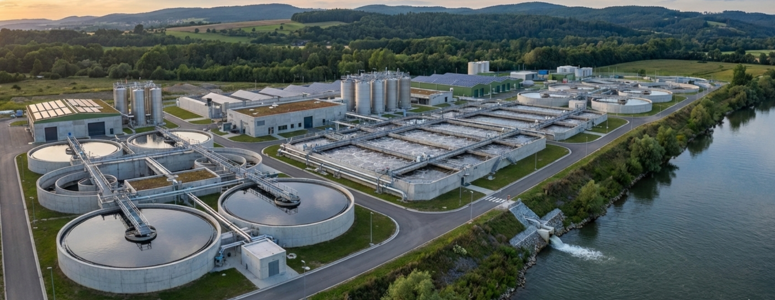
How Industrial Agitators Improve Chemical Mixing in Water Treatment Plants
Effective chemical mixing in water treatment plants is not a secondary operation—it is a critical process that directly impacts water quality, treatment efficiency, operating costs, and regulatory compliance. From coagulation and flocculation to pH correction, disinfection, and sludge conditioning, uniform mixing ensures that every chemical added delivers its intended performance.
This is where industrial agitators for water treatment play a decisive role. Properly engineered agitator systems eliminate dead zones, improve reaction kinetics, reduce chemical wastage, and stabilize downstream processes. For plant owners, EPC contractors, and design engineers, selecting the right water treatment agitator system is a strategic decision with long-term operational and financial implications.
This article explains how industrial agitators enhance chemical mixing efficiency, what types are used in water and wastewater applications, and why partnering with an experienced manufacturer such as Dosimix Technologies can significantly improve plant performance and ROI.
Why Chemical Mixing Is Critical in Water Treatment Plants
In water and wastewater treatment, chemicals are added to achieve specific outcomes, including:
- Coagulation and floc formation
- Neutralization of acids or alkalis
- Oxidation and disinfection
- Sludge conditioning and stabilization
Without proper mixing, even high-quality chemicals and dosing pumps cannot perform effectively. Poor mixing typically leads to:
- Overdosing or underdosing of chemicals
- Inconsistent water quality
- Increased chemical consumption
- Sludge handling problems
- Higher energy and maintenance costs
A well-designed industrial agitator system ensures rapid, homogeneous mixing, allowing chemical reactions to occur efficiently and predictably.
How Industrial Agitators Improve Chemical Mixing Efficiency
1. Uniform Chemical Distribution
Industrial agitators create controlled turbulence that disperses chemicals evenly throughout the tank volume. This prevents localized high concentrations that can damage equipment or cause incomplete reactions.
In applications such as flocculation mixing systems, controlled agitation ensures gentle yet thorough mixing, allowing flocs to grow without breaking apart.
2. Faster Reaction Kinetics
Effective mixing improves mass transfer between chemicals and water, accelerating reaction times. This is particularly important in:
- Coagulant activation
- pH adjustment tanks
- Chlorine or oxidant mixing chambers
By improving reaction kinetics, high-efficiency agitators allow plants to reduce chemical contact time and optimize tank sizes—an important advantage in both new installations and retrofit projects.
3. Reduced Chemical Consumption and Operating Costs
One of the most overlooked benefits of industrial agitators is chemical cost optimization. When chemicals are mixed properly:
- Lower dosages achieve the same treatment results
- Overdosing risks are minimized
- Sludge volume is reduced
Over time, optimized mixing can deliver substantial cost savings, making agitators a high-ROI investment within water treatment plant equipment portfolios.
4. Process Stability and Consistent Water Quality
Inconsistent mixing leads to fluctuating treatment results, which can cause compliance issues and operational headaches. Industrial agitators stabilize the process by maintaining consistent mixing energy and flow patterns—even under varying load conditions.
This is especially important in wastewater treatment mixing, where influent quality can change throughout the day.
Industrial Agitator Types Used in Water Treatment Applications
Selecting the correct agitator depends on tank size, chemical properties, process objectives, and energy efficiency targets. Common industrial agitator types include:
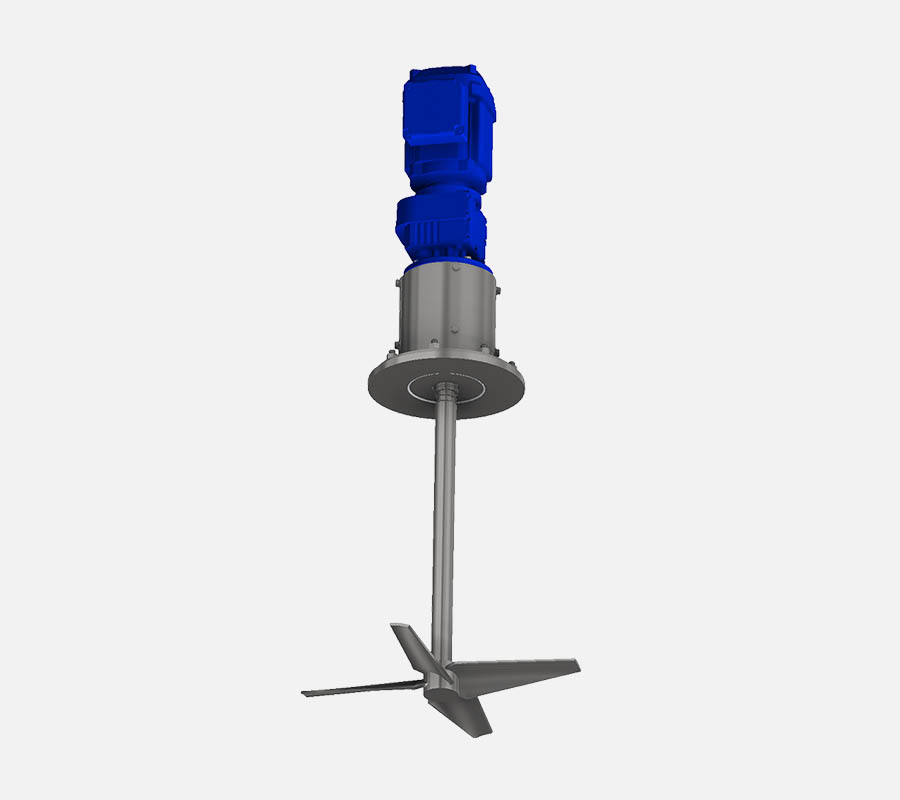
Top-Mounted Agitators
- Widely used in chemical dosing and flash mixing tanks
- Easy to install and maintain
- Suitable for clean water and moderate viscosity fluids
Side-Entry Agitators
- Ideal for large tanks and continuous operation
- Commonly used in sludge and wastewater applications
Slow-Speed Agitators
- Designed for gentle mixing in flocculation basins
- Prevent floc breakage while ensuring uniform suspension
Sludge Mixing Agitators
- Engineered to handle high solids content
- Prevent sedimentation and dead zones in sludge tanks
An experienced industrial agitator manufacturer will evaluate process data to ensure the selected design delivers optimal mixing with minimal energy input.
Role of Industrial Agitators in Chemical Dosing Systems
Chemical dosing systems rely on precision, but dosing accuracy alone does not guarantee treatment success. Without effective mixing:
- Dosed chemicals may stratify
- Reaction efficiency drops
- Dosing pumps must compensate with higher flow rates
Integrating properly sized agitators with chemical dosing systems ensures that chemicals introduced into tanks are immediately dispersed, maximizing dosing accuracy and treatment effectiveness.
This integration is a key design principle followed by Dosimix Technologies agitators, where dosing and mixing are treated as a single engineered solution rather than separate components.
Energy Efficiency and Long-Term ROI
Modern water treatment plants demand energy-efficient solutions that reduce lifecycle costs. Advances in agitator design—such as optimized impeller geometry and high-efficiency gear drives—have significantly reduced power consumption without compromising mixing performance.
Benefits include:
- Lower electricity costs
- Reduced mechanical stress on equipment
- Extended service life
- Fewer unplanned shutdowns
For industrial buyers evaluating capital investments, agitators that deliver consistent performance with lower operating costs offer measurable long-term ROI.
Why Standard Agitators Often Fall Short
No two water treatment plants operate under identical conditions. Factors such as tank geometry, chemical properties, temperature, and solids concentration all influence mixing requirements.
Standard, off-the-shelf agitators often fail to address these variables, leading to:
- Inefficient mixing
- Excessive power consumption
- Premature equipment failure
This is where customization becomes critical. Dosimix Technologies, as a trusted solution provider, offers engineered agitator systems designed around specific process conditions. Backed by ISO-quality manufacturing and experienced process engineering, customized solutions ensure reliability, efficiency, and compliance over the equipment lifecycle.
Why Leading Water Treatment Plants Trust Dosimix Technologies
With extensive experience in industrial agitators for water treatment, Dosimix Technologies has established itself as a reliable partner for plant owners and EPC contractors seeking performance-driven solutions.
Key strengths include:
- Proven expertise in water and wastewater mixing applications
- Integrated approach covering agitators, dosing systems, and controls
- ISO-certified manufacturing and quality assurance
- Custom-designed solutions tailored to site-specific requirements
- Focus on energy efficiency, durability, and low total cost of ownership
Rather than offering generic products, Dosimix Technologies focuses on solving real operational challenges faced by modern treatment plants.
Mixing Efficiency Is a Strategic Advantage
In today’s regulatory and cost-sensitive environment, efficient chemical mixing is not optional—it is essential. Industrial agitators directly influence treatment performance, chemical consumption, energy usage, and operational stability.
By investing in properly engineered water treatment agitator systems, plants can achieve:
- Consistent water quality
- Reduced operating costs
- Improved process reliability
- Faster ROI on capital investments
For organizations seeking a trusted industrial agitator manufacturer with deep process knowledge, Dosimix Technologies delivers solutions designed for performance, efficiency, and long-term value.
Ready to Optimize Chemical Mixing in Your Water Treatment Plant?
Whether you are designing a new facility or upgrading an existing system, Dosimix Technologies can help you select and engineer the right agitator solution for your application.
Contact Dosimix Technologies today to discuss your process requirements and discover how high-efficiency industrial agitators can improve performance, reduce costs, and strengthen your treatment operations for years to come.
Contact Us : +91 76007 37948 , sales@dosimixtechnologies.com
FAQs
An industrial agitator is a mechanical mixing device used in water treatment plants to uniformly blend chemicals, prevent sedimentation, and ensure consistent reaction performance during processes such as coagulation, flocculation, pH correction, and sludge conditioning.
Industrial agitators ensure even chemical distribution, faster reaction times, and stable process conditions. Proper mixing reduces chemical wastage, improves treatment efficiency, and helps maintain consistent water quality that meets regulatory standards.
Common industrial agitator types used in water treatment include top-mounted agitators, side-entry agitators, slow-speed flocculation agitators, and sludge mixing agitators. The selection depends on tank size, chemical properties, and process objectives.
By ensuring uniform chemical dispersion, industrial agitators eliminate overdosing caused by poor mixing. Efficient mixing allows chemicals to react fully at lower dosages, leading to reduced operating costs and improved return on investment.
Agitators complement chemical dosing systems by rapidly dispersing dosed chemicals throughout the tank. Without proper agitation, even accurate dosing pumps cannot deliver consistent treatment results, making agitators essential for dosing efficiency.
Slow-speed agitators are best for flocculation processes. They provide gentle, controlled mixing that allows flocs to grow without breaking, ensuring effective solid-liquid separation in downstream clarification processes.
Sludge mixing agitators prevent solids from settling, maintain uniform solids concentration, and improve digestion or dewatering efficiency. Proper sludge mixing also reduces odors and minimizes mechanical stress on downstream equipment.
Yes, modern high-efficiency agitators use optimized impeller designs and energy-efficient gear drives to deliver effective mixing with lower power consumption, resulting in reduced electricity costs and long-term operational savings.
The right agitator is selected based on tank dimensions, fluid viscosity, solids content, chemical properties, and process goals. Working with an experienced industrial agitator manufacturer ensures proper sizing and reliable performance.
Dosimix Technologies is a trusted manufacturer offering ISO-quality, customized industrial agitators engineered specifically for water and wastewater treatment applications. Their solutions focus on efficiency, durability, and low total cost of ownership.