

Dosing Pump for Water Treatment Plant
Accurate Chemical Dosing for Reliable, Safe & Efficient Water Treatment
Ensure Every Drop Counts with Dosimix Technologies
In any water treatment plant, whether municipal, industrial, or commercial, the margin for error is virtually zero. Adding too much chemical to your water supply leads to skyrocketing operational costs, chemical wastage, pipe corrosion, and severe regulatory non-compliance. On the flip side, under-dosing means failing to meet safety standards, leaving harmful pathogens untreated, or allowing scale to destroy your downstream equipment.
At Dosimix Technologies, we engineered our Dosing Pump for Water Treatment Plant applications to eliminate this guesswork entirely.
Our chemical dosing pumps deliver exactly what your system demands—no more, no less. By automating the delivery of precise chemical volumes, we help plants maintain consistent water quality, protect expensive infrastructure, and significantly lower monthly chemical expenditures.
What is a Dosing Pump for Water Treatment Plant?
A Dosing Pump for Water Treatment Plant is a precision pump designed to inject a measured quantity of chemicals into water pipelines, tanks, or treatment systems. Unlike conventional pumps that simply transfer liquid, a dosing pump delivers chemicals at a controlled and repeatable flow rate, ensuring accurate dosing throughout the treatment process.
Consistent dosing plays an important role in:
- Maintaining desired water quality
- Optimizing chemical consumption
- Preventing over-dosing and under-dosing
- Protecting pipelines and equipment
- Improving treatment efficiency
- Supporting regulatory compliance
- Reducing manual intervention
Whether the chemical is acidic, alkaline, disinfecting, anti-scaling, or conditioning in nature, the correct dosing rate is essential for achieving reliable treatment results.
We Solve for Water Treatment Operators
When you are managing a water treatment facility, a pump is never just a piece of hardware; it is the heartbeat of your chemical treatment process. We spoke with hundreds of plant managers, procurement officers, and maintenance engineers to understand their daily struggles. Our dosing systems are designed to solve these exact headaches:
A. The Nightmare of Chemical Wastage and Inaccurate Flow
Many standard pumps suffer from flow drift. Over time, as pressure fluctuates in the system, the pump delivers unequal amounts of chemicals.
- The Dosimix Solution: Our dosing pumps maintain consistent volumetric accuracy. Even when system pressures shift, the pump delivers a steady, controlled rate of chemicals, ensuring you use only what is required.
B. Frequent Downtime Due to Pump Vapor Lock & Air Binding
Certain chemicals used in water treatment, like sodium hypochlorite or hydrogen peroxide, tend to off-gas. When these gases build up inside the pump head, the pump loses prime, runs dry, and stops dosing entirely—often without trigger alarms.
- The Dosimix Solution: We have optimized our liquid end design to quickly vent accumulated gases, ensuring the pump remains primed and operational without manual intervention.
C. Chemical Leaks and Operator Safety Hazards
Dealing with highly corrosive acids, alkalis, and disinfectants presents a massive safety risk. A single leaking seal can damage surrounding equipment, halt operations, and put your staff in harm’s way.
- The Dosimix Solution: By utilizing a completely leak-proof, glandless diaphragm design, we ensure that the processed chemicals remain fully enclosed inside the dosing chamber, keeping your workspace clean and your team safe.
D. Complex, Hard-to-Understand Controls
Many industrial pumps require advanced programming knowledge just to adjust the stroke speed or volume, causing operational bottlenecks when senior operators are unavailable.
- The Dosimix Solution: We designed an intuitive control system that allows direct adjustments. Operators can modify settings in seconds, reducing human error and training time.
Our Dosing Pump Product Range
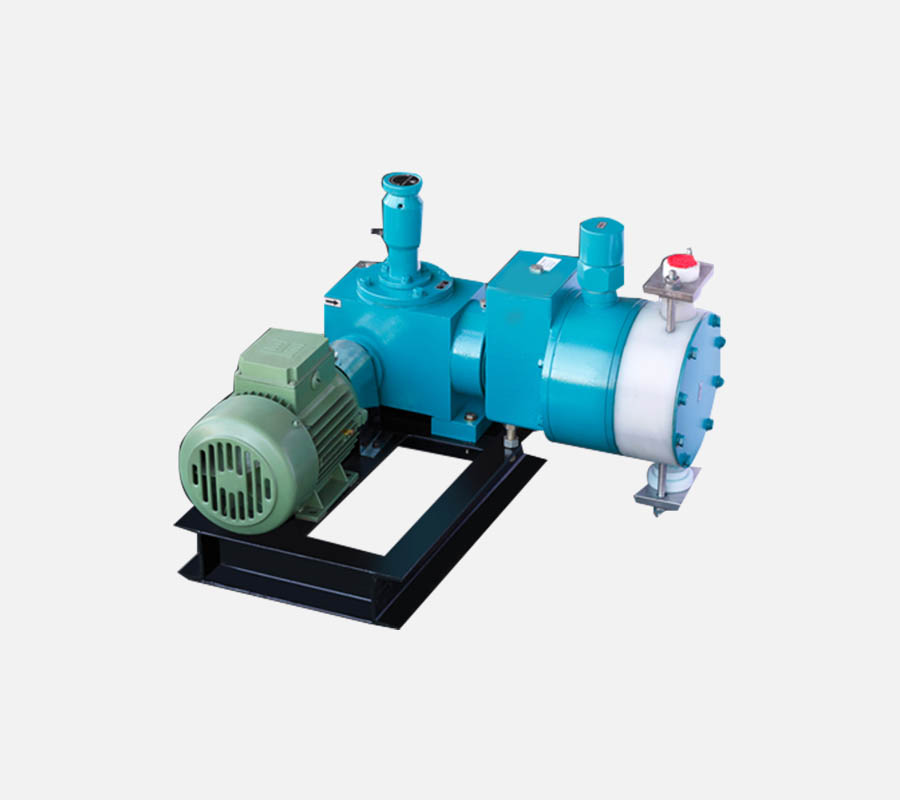
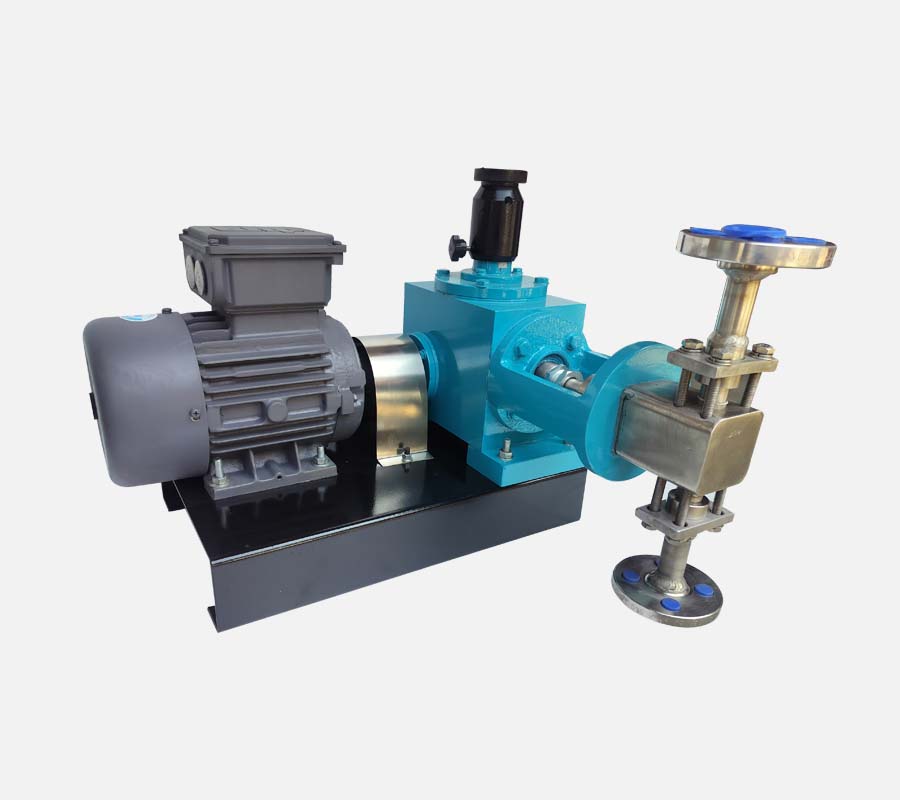
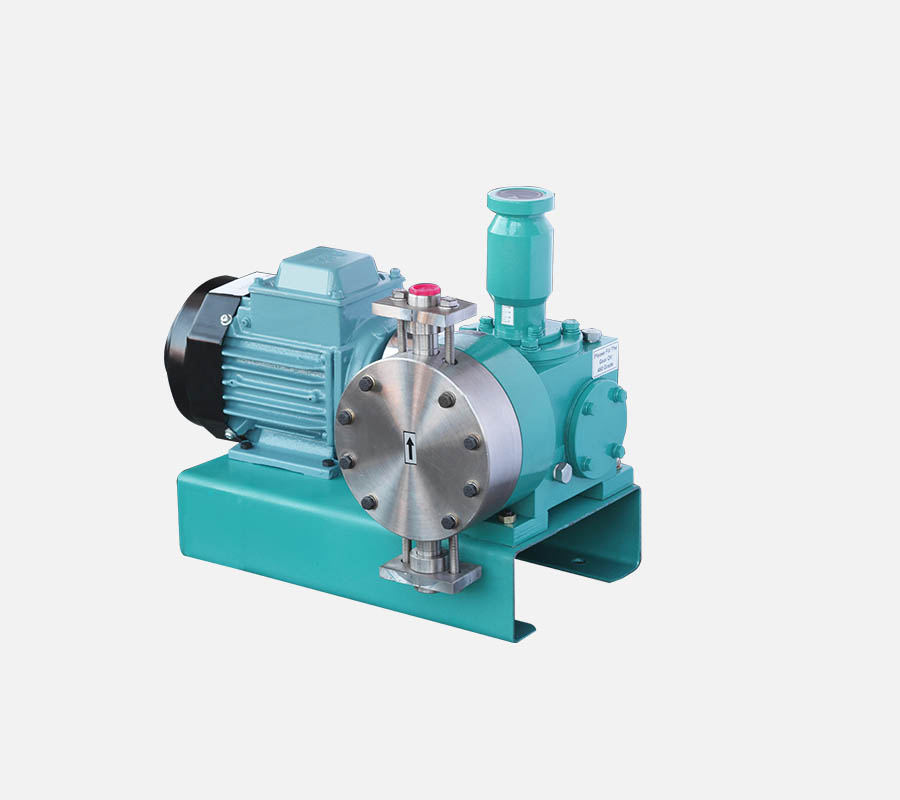
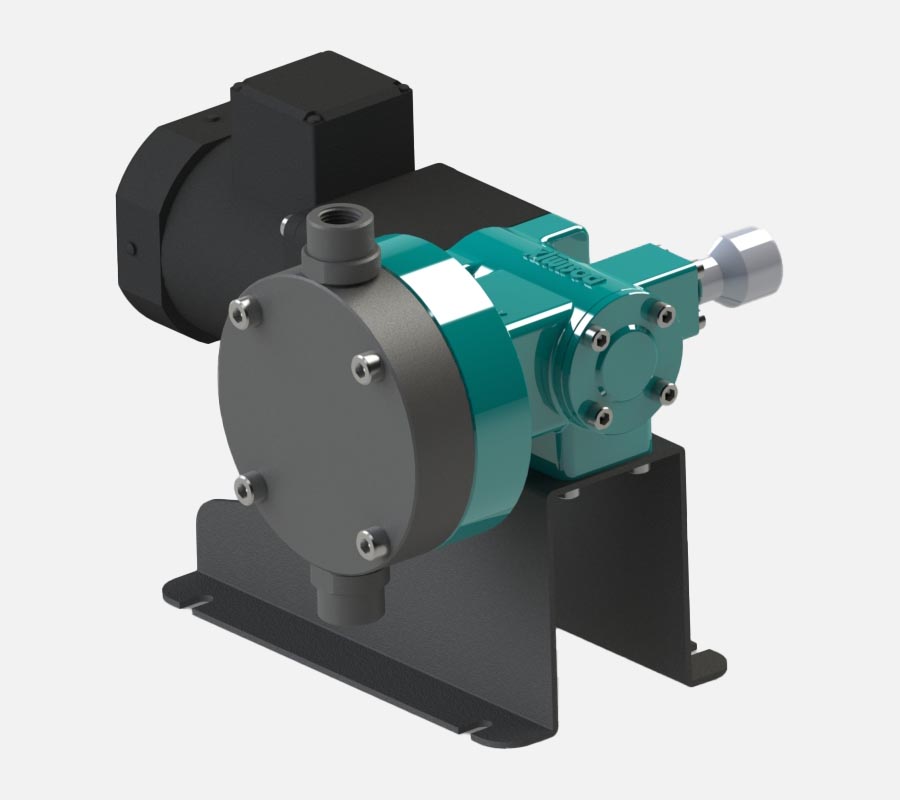
Dosimix Technologies, a trusted dosing pump manufacturer in india engineered for continuous industrial operation.
Our product portfolio includes:
Applications of Dosing Pumps in Water Treatment Plants
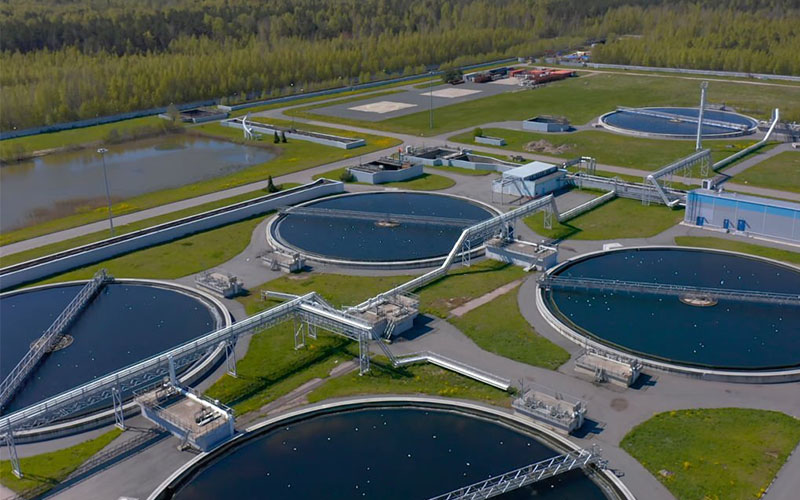
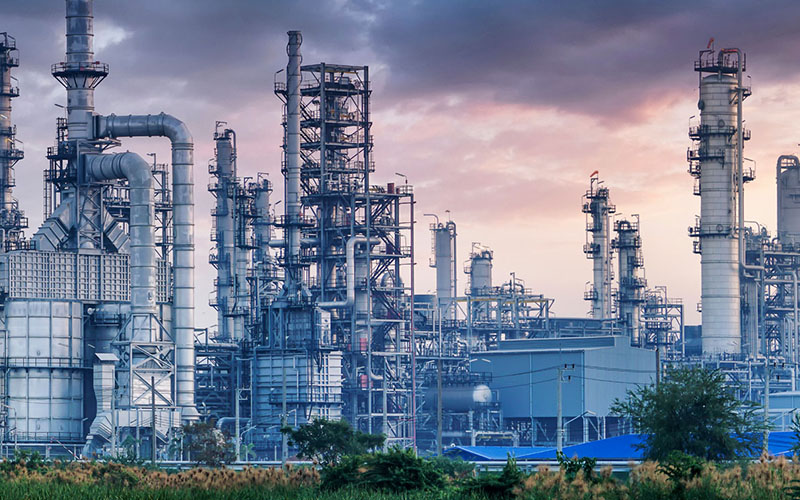
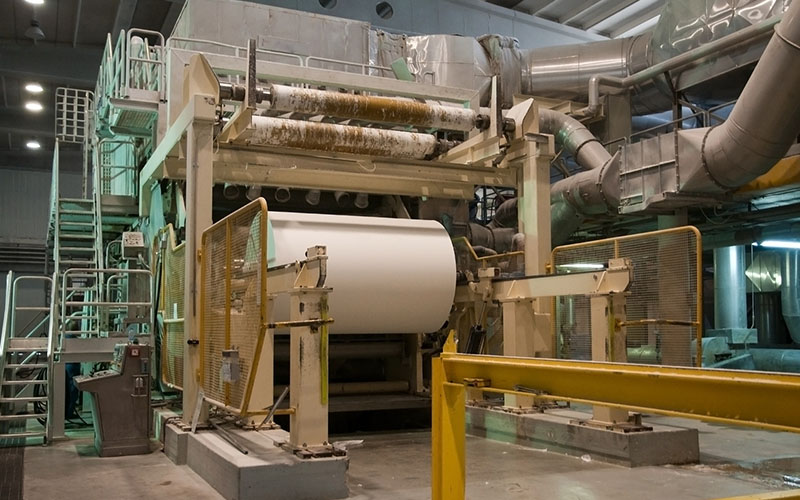
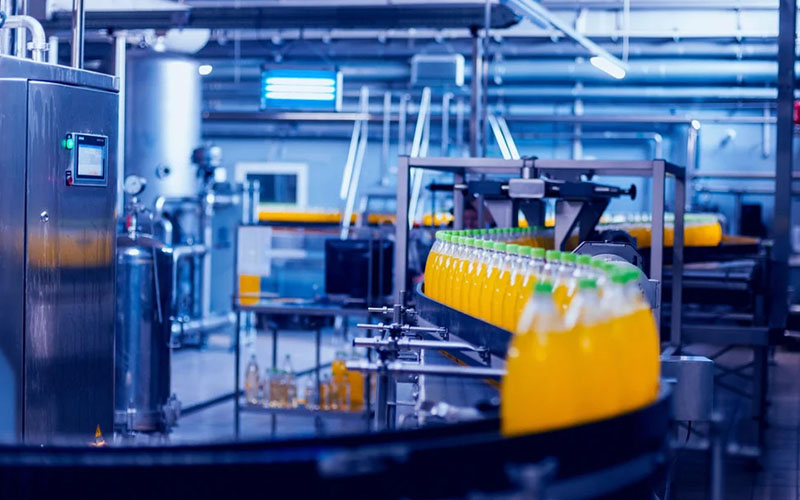
Water treatment facilities often require different chemicals at different stages of the process. A dosing pump allows each chemical to be delivered accurately according to the application’s requirements.
Our dosing pumps are commonly used for:


Why Choose Dosimix Technologies? (Our Competitor-Beating Advantages)
When researching a dosing pump for your water treatment plant, you will find many generic options on the market. However, those cheap alternatives often end up costing you three times their purchase price in maintenance, wasted chemicals, and unexpected shutdowns.
Here is what makes Dosimix Technologies the smartest choice for your business:
Performance Parameter | Conventional Dosing Pumps | Dosimix Technologies Dosing Pumps |
Metering Accuracy | Accuracy may vary by ±5% to ±10% as system pressure changes. | Delivers precise chemical dosing with ±1% volumetric accuracy, even under fluctuating operating conditions. |
Leakage Protection | Mechanical shaft seals are susceptible to wear, resulting in leakage and increased maintenance. | Features a glandless diaphragm design that provides 100% leak-free operation and enhanced process safety. |
Gas & Vapor Handling | Prone to vapor lock, causing loss of prime and inconsistent chemical dosing. | Engineered with an advanced self-venting mechanism that minimizes gas locking and ensures uninterrupted performance. |
Construction Materials | Commonly manufactured using standard plastics or lower-grade metal alloys. | Built with premium PP, PVDF, and SS316 wetted components for superior chemical resistance and long service life. |
Durability & Service Life | Internal components experience faster wear, requiring frequent repairs and spare part replacement. | Heavy-duty drive mechanism designed for continuous 24/7 industrial operation with reduced maintenance requirements. |
Technical Support | Limited product guidance with slower service response. | Backed by experienced chemical dosing experts offering fast technical assistance, application support, and after-sales service. |
Engineered for Uninterrupted 24/7 Operation
Industrial processes do not sleep, and neither do our pumps. Built with highly durable, wear-resistant internal drive mechanisms, Dosimix pumps run continuously with minimal friction. This reduces internal heat buildup, which is the primary killer of electric dosing pump motors.
Maximum Chemical Compatibility
Different chemicals require different materials to prevent melting or corrosion of the pump head. We offer pump heads constructed from premium materials like PVDF, Polypropylene (PP), and Stainless Steel 316 (SS316). Whether you are dosing highly corrosive hydrochloric acid or abrasive lime slurries, we have a material configuration that will not degrade.
Effortless Integration with Existing Automation
Modern water treatment facilities rely on SCADA systems and programmable logic controllers (PLCs). Our dosing pumps are designed to easily integrate with standard automation setups. They can receive external signals (such as 4-20mA analog inputs or pulse controls) to adjust their dosing speed automatically based on live water flow rates or pH sensor readings.
How to Select Your Ideal Dosing Pump
Choosing the right dosing pump does not have to be an overly technical or stressful task. By answering a few simple operational questions, you can identify the perfect pump setup for your water treatment plant.
  [Determine Chemical Type]  ---> Compatibility check (PP, PVDF, or SS316)
                  |
       [Calculate Flow Rate (LPH)]---> Matches pump capacity limits
                  |
       [Verify Backpressure (Bar)]---> Must exceed system pressure by 10-15%
                  |
       [Select Control Method]    ---> Manual Adjustment vs. Automated (4-20mA)
Step 1: Identify Your Chemical and Material Compatibility
Before anything else, look at the chemical you need to dose.
- For strong acids (like sulfuric acid) or oxidizing agents (like sodium hypochlorite), PVDF or Teflon (PTFE) is highly recommended.
- For milder chemicals, alkalis, and general water treatment polymers, Polypropylene (PP) offers an excellent, cost-effective solution.
- For high-pressure setups or specialized solvents, Stainless Steel 316 provides the mechanical strength and chemical resistance needed.
Step 2: Determine Your Flow Rate (Liters Per Hour – LPH)
Calculate the exact volume of chemical your water treatment process requires over an hour. It is a best practice to select a pump where your desired flow rate falls between 30% and 85% of the pump’s maximum capacity. Running a pump constantly at 100% capacity can accelerate wear, while running it below 10% can reduce accuracy.
Step 3: Understand Your System Pressure (Bar)
A dosing pump must push chemicals into a pipe that is already under pressure. Therefore, your dosing pump’s pressure rating must be higher than the pressure inside your water line. If your water line runs at 4 Bar, your pump should ideally be rated for at least 5 to 6 Bar to ensure smooth, unimpeded chemical injection.
Step 4: Choose Your Control Type (Manual vs. Automatic)
- Manual Control: Best for processes where water flow and water quality are constant. The operator manually adjusts the pump’s knob to set the dosing rate.
- Automatic Control: Essential for dynamic plants where water inflow rates fluctuate. The pump automatically speeds up or slows down based on feedback from a flow meter or a pH controller.
Real-World Troubleshooting & Practical Maintenance Tips
To help you get the most out of your equipment, we have compiled a practical, easy-to-understand checklist. This ensures your Dosimix Technologies dosing pump runs smoothly for years without unexpected issues.
What to Do If Your Pump Is Running but Not Delivering Chemical
If you hear the motor working but no liquid is moving through the discharge line, do not panic. This is usually caused by one of three simple issues:
- Air Lock / Vapor Lock in the Pump Head:
- The Cause: Air or chemical gas has entered the pump chamber, preventing the suction valves from creating a vacuum.
- The Fix: Open the bleed valve on your pump head (if equipped) or briefly loosen the discharge connection to let the trapped air escape. Ensure all suction-side pipe connections are completely airtight.
- Clogged Suction Strainer (Foot Valve):
- The Cause: Over time, debris or crystallized chemical particles can block the mesh screen at the bottom of your chemical tank.
- The Fix: Pull the foot valve out of the chemical tank, rinse it thoroughly in warm water to dissolve any build-up, and reinstall it.
- Dirty or Stuck Check Valves:
- The Cause: Small particles can get trapped under the glass or ceramic balls inside the suction and discharge valves, keeping them slightly open.
- The Fix: Unscrew the valve assemblies, clean the internal seats and balls, and put them back together in the exact same orientation.
Simple Maintenance Habits for Maximum Lifespan
- Flush with Clean Water regularly: If you need to shut down your chemical dosing system for more than a few days, always run clean, fresh water through the pump for 5 to 10 minutes. This prevents chemicals from drying, crystallizing, and damaging the internal diaphragm or check valves.
- Inspect the Diaphragm: Every 6 to 12 months, do a quick visual check on the pump’s diaphragm. Replacing a worn diaphragm before it cracks is a simple, low-cost way to prevent messy chemical leaks.
- Check Your Connections: Vibrations from regular pump operation can occasionally loosen piping connectors. Check and hand-tighten the plastic nuts on your tubing once a month to ensure everything remains vacuum-sealed.
How Dosimix Outperforms Competitors in Strategic Long-Term Value
+-------------------------------------------------------------------------+
|                    THE DOSIMIX COST-EFFICIENCY CYCLE                    |
+-------------------------------------------------------------------------+
|  [Precise Volume Control] --> Minimal Chemical Waste                    |
|             |                                                           |
|  [Anti-clog Check Valves] --> Zero Process Interruptions                 |
|             |                                                           |
|  [Heavy-Duty Diaphragm]   --> Extended Maintenance Intervals             |
|             |                                                           |
|  [SCADA Integration]      --> Lower Manual Labor Costs                  |
+-------------------------------------------------------------------------+
|                  RESULT: Unmatched Return on Investment                 |
+-------------------------------------------------------------------------+
When evaluating dosing pumps, looking strictly at the upfront price tag is a common pitfall. The real cost of owning a pump includes energy use, spare parts, chemical waste, and the labor required to constantly adjust or fix it.
Minimal Chemical Overuse Saves Thousands Annually
Standard pumps that drift by even a small percentage can easily waste hundreds of liters of expensive chemicals over a year. By maintaining highly stable volumetric accuracy, a Dosimix Technologies pump ensures you inject the exact micro-dose required. The chemical savings alone often pay for the pump within the first few months of installation.
Lower Spare Parts Inventory
We design our pumps with standardized, highly durable components. This means you do not have to keep a massive, expensive inventory of proprietary spare parts in your warehouse. Our wear parts are easy to access, simple to replace, and built to last significantly longer than the industry average.
Reduced Downtime Means Smoother Compliance
A single day of failed chlorine dosing can lead to safety violations or forced plant shutdowns by environmental authorities. Our highly reliable, self-venting liquid ends ensure your chemical dosing remains uninterrupted, giving you peace of mind during unexpected regulatory inspections.
Complete Your Dosing Setup
While the pump is the main driver, a fully functional chemical dosing system requires a few essential accessories to operate at peak safety and efficiency. At Dosimix Technologies, we don’t just supply pumps; we help you design complete, hassle-free systems.
 +-----------------------------------+
                  |      Chemical Storage Tank        |
                  +-----------------------------------+
                                    |
                                    v [Suction Line]
                          +-------------------+
                          |    Foot Valve     | (with Strainer)
                          +-------------------+
                                    |
                                    v
                          +-------------------+
                          |   DOSING PUMP     | (Dosimix System)
                          +-------------------+
                                    |
                                    v [Discharge Line]
                          +-------------------+
                          | Multi-Function /  | (Safety Relief)
                          |  Anti-Siphon Valve|
                          +-------------------+
                                    |
                                    v
                    =================================
                     MAIN WATER TREATMENT FLOW LINE
                    =================================
1. Suction Foot Valve and Strainer
Placed at the very bottom of your chemical tank, this accessory prevents large debris from entering the pump head. It also features an integrated check valve that keeps the suction line filled with liquid, ensuring the pump primed instantly every time it starts up.
2. Injection Valve
Installed directly at the point where the chemical enters your main water pipe. It prevents the water from the main line from flowing backward into your chemical dosing line, protecting your pump and chemical tank from cross-contamination.
3. Safety Relief Valve
If a valve downstream is accidentally closed while the pump is running, pressure can build up rapidly and rupture your piping. A safety relief valve automatically diverts the chemical back to your storage tank if the system pressure exceeds safe limits, preventing catastrophic line breaks.
4. Pulsation Dampener
Because dosing pumps operate using a reciprocating piston or diaphragm movement, they release chemicals in pulses. If your application requires a completely smooth, continuous stream of chemicals, adding a pulsation dampener absorbs these pressure spikes and delivers a steady, uninterrupted flow.
Partner with Dosimix Technologies for Your Water Treatment Success
At Dosimix Technologies, we do not believe in one-size-fits-all hardware sales. We understand that every water treatment facility has unique flow dynamics, chemical challenges, and operating environments.
Our team of dedicated fluid handling specialists is ready to review your system requirements, help you calculate your exact dosing needs, and recommend the most reliable, cost-effective pump configuration.
Stop dealing with chemical wastage, safety hazards, and unexpected process interruptions. Upgrade your plant with a robust, high-precision dosing system built for long-term performance.
Ready to Optimize Your Water Treatment Process?
Our team is here to provide quick, expert assistance. Choose the option that works best for you:
- Talk Directly with an Application Engineer: Call us today to discuss your exact chemical, pressure, and flow requirements. We will help you select the ideal pump configuration in minutes.
- Request a Quick Digital Quote: Fill out our brief requirements form online, and receive a competitive, transparent pricing proposal directly in your inbox.
- Download Our Complete Product Catalogue: Explore our full range of chemical dosing pumps, controller options, and integrated accessories to find the perfect fit for your facility.
Contact Us : +91 76007 37948
Email : sales@dosimixtechnologies.com
Dosimix Technologies — Precision Dosing Solutions You Can Trust.
FAQs
A dosing pump for a water treatment plant is a precision metering pump that injects a controlled amount of chemicals into water systems. It ensures accurate chemical dosing for applications such as chlorination, pH correction, anti-scalant dosing, polymer dosing, and corrosion inhibition while maintaining consistent water quality and regulatory compliance.
Accurate chemical dosing prevents both over-dosing and under-dosing. Proper dosing improves water quality, reduces chemical wastage, protects pipelines and equipment from corrosion or scaling, minimizes operating costs, and helps water treatment plants comply with environmental and safety regulations.
A dosing pump can accurately inject various water treatment chemicals, including:
- Sodium Hypochlorite
- Chlorine
- Sulfuric Acid
- Hydrochloric Acid
- Caustic Soda
- Anti-Scalants
- Polymers
- Coagulants
- Flocculants
- Corrosion Inhibitors
- Biocides
- Hydrogen Peroxide
The pump material should always match the chemical’s compatibility.
Choose a dosing pump by evaluating:
- Chemical type
- Required flow rate (LPH)
- Operating pressure (Bar)
- Chemical compatibility
- Automation requirements
- Accuracy requirements
- Continuous operating hours
Selecting the correct pump ensures long service life, reliable dosing, and lower operating costs.
The ideal dosing pump should operate between 30% and 85% of its maximum flow capacity during normal operation. This range provides the highest dosing accuracy, longer diaphragm life, and reduced maintenance.
The best material depends on the chemical being handled.
- PP (Polypropylene): General water treatment chemicals
- PVDF: Strong acids and oxidizing chemicals
- SS316: High-pressure and aggressive industrial applications
- PTFE Diaphragm: Excellent chemical resistance and long life
Proper material selection prevents corrosion and extends pump life.
Common causes include:
- Air lock or vapor lock
- Clogged foot valve
- Blocked suction strainer
- Dirty check valves
- Empty chemical tank
- Suction leaks
- Incorrect installation
Regular maintenance usually resolves these issues quickly.
High-quality industrial dosing pumps can achieve ±1% volumetric accuracy under varying operating conditions. Accurate dosing reduces chemical consumption, improves treatment efficiency, and ensures consistent process performance.
Yes. Modern dosing pumps support automation through:
- 4–20 mA input
- Pulse input
- Flow meter integration
- PLC control
- SCADA communication
- Remote monitoring systems
Automation enables chemical dosing based on real-time process conditions.
Routine maintenance includes:
- Cleaning the foot valve
- Flushing with clean water after shutdown
- Inspecting the diaphragm
- Checking tubing connections
- Cleaning check valves
- Monitoring suction lines
- Replacing worn components when necessary
Preventive maintenance significantly increases pump lifespan.
Water treatment dosing pumps are commonly used for:
- Chlorine dosing
- Sodium hypochlorite dosing
- pH correction
- Acid dosing
- Alkali dosing
- Polymer dosing
- Coagulant dosing
- Flocculant dosing
- Anti-scalant dosing
- Corrosion inhibitor dosing
- Biocide dosing
- Reverse osmosis (RO) systems
- Wastewater treatment
- Drinking water treatment
A diaphragm dosing pump uses a flexible diaphragm instead of a rotating shaft seal. This glandless design completely isolates the chemical from the motor, eliminating leakage risks and improving operator safety when handling corrosive or hazardous chemicals.
Automatic dosing pumps provide:
- Higher dosing accuracy
- Lower chemical consumption
- Reduced labor costs
- Improved process stability
- Continuous operation
- Automatic adjustment according to flow or pH
- Better compliance with water treatment standards
Automation improves both efficiency and reliability.
A well-maintained industrial dosing pump typically lasts 8–15 years or longer, depending on operating conditions, chemical compatibility, maintenance practices, and component quality. Regular servicing and proper installation significantly extend equipment life.
Dosimix Technologies dosing pumps are engineered for high-performance water treatment applications and offer:
- ±1% volumetric dosing accuracy
- Leak-proof glandless diaphragm technology
- Advanced self-venting design
- Premium PP, PVDF, and SS316 construction
- PLC & SCADA compatibility
- Continuous 24/7 operation
- Low maintenance requirements
- Expert technical support
- Long service life
- Reduced chemical consumption and operating costs
These features help improve treatment efficiency, process reliability, and return on investment.
There are many different types of dosing pumps, each with its own advantages and disadvantages. The most common types of dosing pumps include:
- Plunger pumps: Plunger pumps are the most basic type of dosing pump. They work by moving a plunger back and forth in a chamber, which draws in and then forces out the fluid. Plunger pumps are typically very accurate and reliable, but they can be noisy and require regular maintenance.
- Diaphragm pumps: Diaphragm pumps work in a similar way to plunger pumps, but instead of using a plunger, they use a diaphragm. The diaphragm is a flexible membrane that is moved back and forth by a piston or motor. Diaphragm pumps are typically quieter than plunger pumps and require less maintenance, but they are not as accurate.
- Peristaltic pumps: Peristaltic pumps work by squeezing a flexible tube with a rotor. As the rotor turns, the tube is squeezed, which draws in and then forces out the fluid. Peristaltic pumps are very accurate and gentle on fluids, but they are also the most expensive type of dosing pump.